
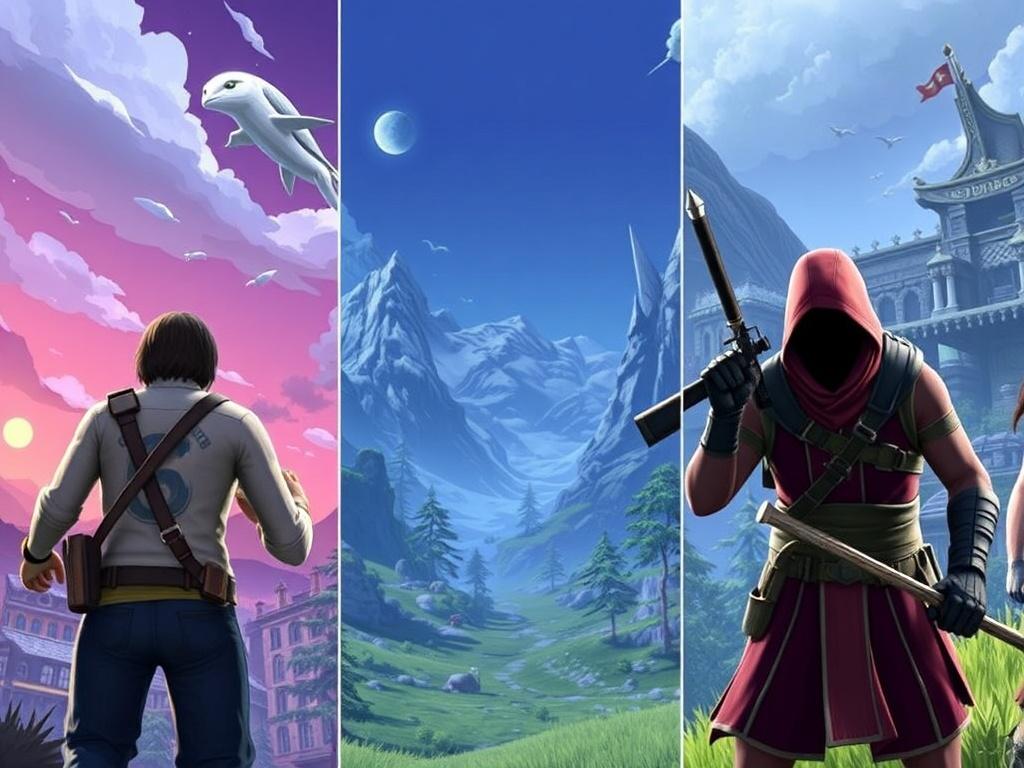
There’s a particular group of games that keep pulling players back again and again, and it’s not just about flashy graphics or clever marketing. Gamers Are Obsessed With These Titles — Here’s Why is a question I’ve heard from friends, forum threads, and my own late-night gaming sessions. The truth is a mix of psychology, design, and social mechanics that combine into an almost irresistible loop.
The mechanics that hook you
At the core of obsession are game systems that reward behavior in ways the brain finds pleasing: progress bars, unpredictable rewards, and small wins stacked into a larger goal. Developers manipulate pacing expertly — a tough fight followed by an easy reward, a rare drop after repeated attempts — and those ups and downs keep dopamine humming. I’ve seen this personally; finishing one tricky boss encounter and unlocking a tiny cosmetic kept me hunting through content I might otherwise have skipped.
These mechanics aren’t accidental. Variable reward schedules, borrowed from behavioral science, make some outcomes feel worth the wait. When a rare item or a surprising event appears at irregular intervals, players are more likely to keep trying, checking, or logging in. Over time, those micro-decisions add up into habits that feel satisfyingly inevitable.
Community and live service glue
Games today are often social spaces first and entertainment second. Whether you’re coordinating a raid, trash-talking in a PvP match, or trading skins, the social stakes make quitting harder. Missing an event or a season drop can mean missing a shared experience, which creates a fear of being left out that’s remarkably motivating.
Live services amplify that effect by changing the game world on a schedule: weekly quests, seasonal maps, and timed events build momentum and urgency. I remember logging in with a guild at midnight for a new release — the shared excitement, the chatter, the screenshots afterwards — those memories locked the game into our group identity and kept us coming back together.
Narrative, mastery, and the pleasure of learning
Some titles obsess players by telling stories people want to finish and by offering skills that reward practice. Open-world epics entice curiosity; multiplayer competitors feed the drive to get better. Both paths can be addictive: one promises discovery, the other competence and status.
Mastery is its own reward. When a difficult mechanic finally clicks, the satisfaction is visceral, and players chase that feeling. Narrative-driven games add emotional investment to the loop — characters and mysteries you care about become reasons to persevere, and those attachments can make the journey feel personal rather than procedural.
Design choices that encourage return visits
Developers design for retention: daily log-in rewards, layered progression, and social features that increase switching costs. These aren’t secret tricks so much as deliberate systems meant to make the experience richer over time and to encourage habitual play. Knowing the intent doesn’t always blunt the appeal; it just explains how small nudges accumulate into long-term engagement.
Here are common hooks many top titles use to stay sticky:
- Progression loops: short-term goals that feed into long-term advancement.
- Social systems: guilds, matchmaking, and shared goals that create dependency.
- Live updates: seasonal content and timed events that reward regular return.
When design meets culture: influencers, esports, and trends
Outside of game mechanics, culture amplifies obsession. Streamers, content creators, and esports turn games into spectacles and social currencies. Seeing a favorite streamer nail a new tactic or cosplay a character tempts viewers to join in, and competitive scenes transform play into a performance with fame and reward at stake.
Cultural momentum can be self-reinforcing: a game becomes popular because people play it, and people play it because it’s popular. That social proof turns titles into safe bets for newcomers and a status symbol for veterans, widening the pool of players and deepening engagement among existing ones.
What players and creators should notice
There’s a bright side: these design patterns create memorable, communal experiences and can turn gaming into meaningful hobby or profession. But there’s a caution as well — when systems prioritize retention above wellbeing, players can lose sight of balance. Awareness helps; knowing why a game is designed to keep you can let you choose how much time and money to invest.
For creators, the challenge is ethical: build systems that are compelling without being coercive. For players, the simplest defense is intentionality — set goals, take breaks, and make sure that the reward you’re chasing aligns with what you actually want. Games will keep getting better at keeping us, but we don’t have to let them keep all of our time.
