WWofNews: Your Source for the Latest Tech News & Innovations
  • Home
  • E-commerce
  • Games
  • OCR Technology
  • Technology
@ All Right Reserved.
Category:

Technology

Picking your pocket OS: a candid tour of Android and iOS
Technology

Picking your pocket OS: a candid tour of Android and iOS

by Dylan Ramirez April 15, 2026
written by Dylan Ramirez

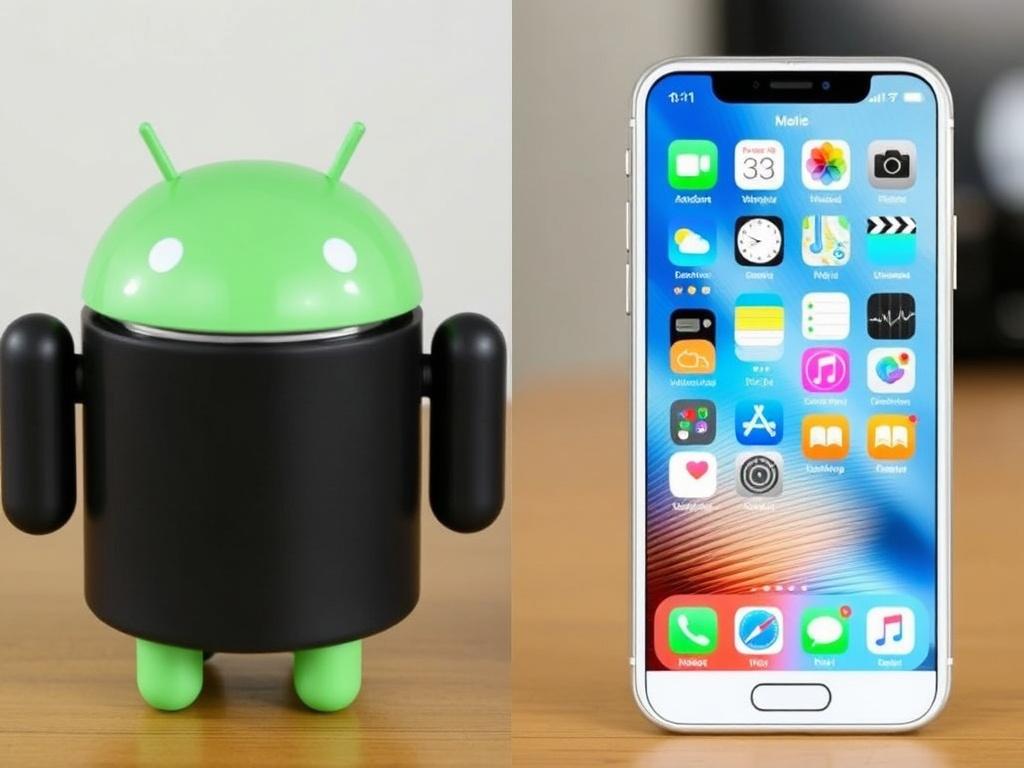
If you’ve ever stood in a phone store swiping between home screens like you’re weighing life choices, you’re not alone. The tug-of-war between Android and iOS shapes how we communicate, work, and unwind. Think of this as Android vs iOS: The Ultimate Comparison told without hype—just what matters day to day. I’ve carried both for years, sometimes at the same time, and the differences reveal themselves in the small moments.

Hardware and ecosystem

Apple builds the iPhone and controls the whole stack, from chips to charging cables. That tight integration gives iOS a consistent feel across devices and often excellent battery life. Android, by contrast, lives on a wide range of hardware from Google, Samsung, OnePlus, and others, spanning every price and size. Choice is its superpower, but that also means experiences can vary by brand.

On sheer variety, Android wins easily: folding phones, compact flagships, budget models with big batteries—you can match a device to a very specific need. Apple’s lineup is simpler, which many people prefer; it reduces the gamble of “did I pick the right one?” Performance at the high end is strong on both sides, though Apple’s custom silicon still leads in raw efficiency. Cameras are no longer a one-company show; results hinge on tuning and taste as much as sensors.

Pricing follows the same pattern: iPhones cluster at premium tiers, while Android covers everything from entry-level to ultra-luxury. Long-term support narrows the gap—Google and Samsung now promise years of updates on their flagships—but cheaper Android phones may still cut corners. If you want predictability, Apple delivers a cleaner menu; if you want options, Android serves a buffet.

Category iOS (iPhone) Android (various)
Device variety Limited, focused Extensive, many form factors
Price range Mid to premium Budget to premium
Update consistency Uniform, same day Strong on Pixels/Samsung; varies elsewhere

Software experience and customization

iOS aims for polish and predictability. Menus look alike, settings sit where you expect, and features tend to arrive as finished pieces rather than experiments. Android leans into flexibility, offering more knobs and dials to tailor how your phone behaves. If you enjoy tinkering—changing launchers, automating tasks—Android feels like a workshop rather than a showroom.

Everyday touches highlight the split. On iOS, system animations, haptics, and default apps create a cohesive rhythm. On Android, you can swap defaults freely and reshape your home screen into something uniquely yours. Neither approach is wrong; it’s a question of whether you prefer a curated path or a toolkit.

Widgets, defaults, and theming

Widgets live on both platforms now, but Android’s are older and still more flexible in how they update and interact. Theming on Android can recolor icons and menus system-wide, while iOS offers a tidier grid with visual consistency. If you’re the type who sets a phone once and never touches it again, you might not care; if you like your device to reflect your mood, you will.

Defaults tell the same story. On Android, you can make any browser, dialer, or assistant the system default with a couple of taps. iOS has loosened up—browsers and mail apps can now be changed—but the range remains narrower. Personally, I love setting a third-party camera and notes app as defaults on Android; on iOS I rely on Apple’s apps because they’re simply woven deeper into the system.

Privacy, security, and updates

Apple’s stance is straightforward: limit background tracking, tighten app permissions, and keep data processing on the device when possible. The App Store’s review process, while imperfect, filters obvious abuse and enforces privacy labels. iOS updates arrive on day one for supported devices, which helps when a nasty bug pops up. It’s a locked garden, but that’s part of the appeal for many.

Android’s security model has matured a lot, with Google Play Protect scanning apps and sandboxing keeping trouble contained. Monthly security patches are the norm for major brands, and Pixels often get features first. The wrinkle is fragmentation: not every manufacturer pushes updates quickly, especially on budget models. If timely patches matter to you, stick to vendors with clear support promises.

On privacy, both platforms provide fine-grained controls and clear permission prompts. iOS still surfaces more tracking disclosures by design, while Android balances privacy with openness, including options like sideloading that add flexibility and a bit of risk. Used wisely, either platform can be very secure; used carelessly, either can be a mess.

Apps, games, and payments

The best apps and games usually launch on both, though some creative tools still debut on iOS first. The App Store tends to favor consistent design and subscription bundles, while Google Play embraces experimentation and broader distribution. Android allows alternative app stores and sideloading, useful for niche tools and enterprise needs. On iOS, that’s largely restricted, with limited regional exceptions and tighter rules.

Mobile payments and wallets are excellent on both sides. Apple Pay is deeply integrated and widely accepted; Google Wallet (and Google Pay where applicable) is equally smooth, especially on newer hardware. Subscriptions can pile up fast, so bundling matters: Apple One and Google One offer storage and services that can trim costs. For work, app parity is strong—mail, calendars, docs, and conferencing are equally competent.

Cross-device life: watches, cars, and laptops

Apple’s ecosystem is famously cohesive: iPhone, Apple Watch, AirPods, iPad, and Mac hand off tasks with minimal friction. AirDrop, Handoff, and iCloud backups make you feel like your devices talk behind your back in a good way. Android’s world is broader and more brand-dependent, but it has its own magic in Quick Share, Nearby, and tighter Windows integration. Wear OS watches span styles and prices, though none match Apple Watch’s lockstep sync with iPhone.

In cars, CarPlay and Android Auto are both excellent—plug in or go wireless and your trip is organized. Messaging remains a fault line: iMessage is iOS-only, while Android leans on RCS for features like typing indicators and better media. Apple has signaled support for RCS, which should ease cross-platform texting as it rolls out. Until then, group chats can still feel like a negotiation.

Cost of ownership

Sticker price is just the start. iPhones typically hold resale value longer, which softens upgrade costs, especially if you trade in annually. Android shines in upfront savings and frequent discounts, and top-tier models from Google and Samsung now promise extended support that stretches value over time. Accessories and repairs vary widely; AppleCare is simple, while Android choices can be cheaper but require more homework.

Cloud storage and services add to the long-term bill. Google Photos, Drive, and cross-platform tools play nicely with mixed-device households. Apple’s services are strongest if you’re all-in on Apple gear, where the sum feels greater than its parts. I’ve bounced between both and found that the “cheapest” setup is the one that wastes the least of my time.

Which one fits you?

Think about what you value: control, convenience, or community. If you swap gadgets often, like to automate chores, or want the freedom to set defaults, Android is a natural fit. If you prefer guardrails, first-party polish, and a tight mesh with a laptop and watch, iOS feels like home. Both can be fast, secure, and fun—it’s really about taste and tolerance for trade-offs.

  • Power tweakers and budget hunters: Android
  • Minimalists and ecosystem fans: iOS
  • Mobile gamers and creators: either, but check your must-have apps
  • Mixed families and group chats: lean toward what your circle uses

When friends ask me for the short answer, I tell them to pick the ecosystem that reduces friction in their actual life. If your partner AirDrops photos and your office runs on Macs, the iPhone will feel effortless. If you love trying new hardware and shaping your device to your habits, Android’s flexibility is a joy. Call it Android vs iOS: The Ultimate Comparison if you like, but the winner is the one that gets out of your way and lets you live.
April 15, 2026 0 comment
0 FacebookTwitterPinterestEmail
A clear path to your next laptop: real-world comparisons that actually help
Technology

A clear path to your next laptop: real-world comparisons that actually help

by Dylan Ramirez April 15, 2026
written by Dylan Ramirez

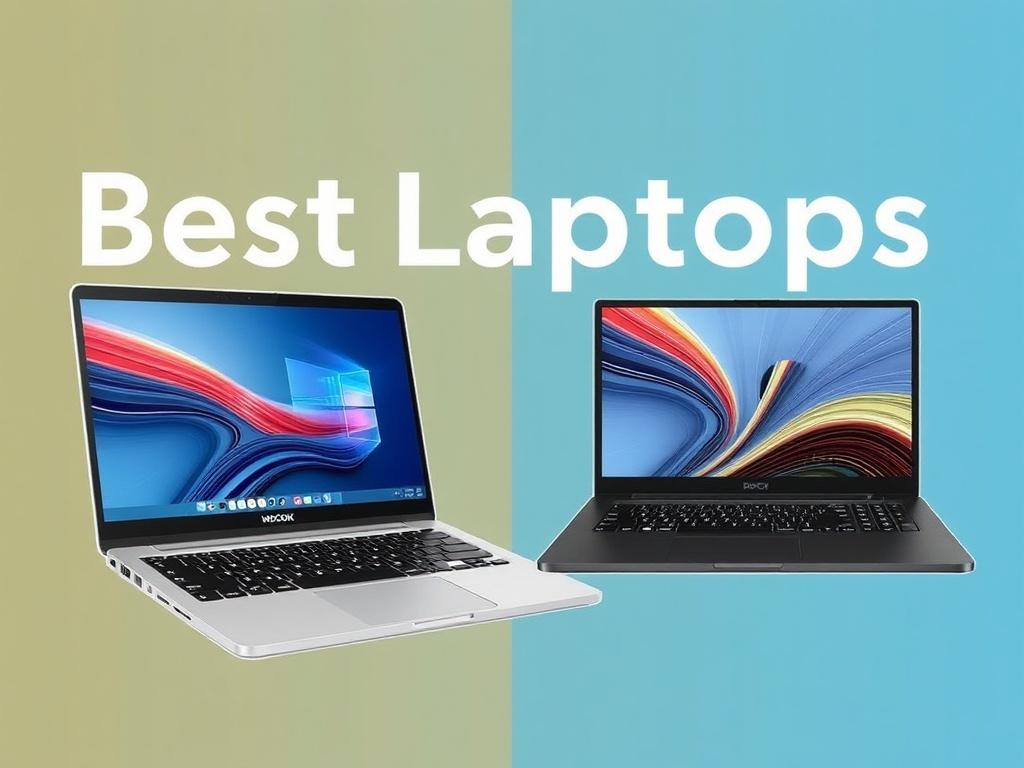
You’ve scrolled past spec sheets and flashy ads. What you really want is a laptop that feels right every single day, not just on paper. Best Laptops Compared: Which One Should You Buy? sounds like a simple question, but the answer depends on how you work, where you carry it, and what annoys you. Let’s sort that out with practical comparisons and a shortlist that saves time.

Start with how you actually work

Begin with a picture of your week, not a processor model number. If you commute or travel often, weight and battery life will matter more than raw speed. If you edit photos or code for hours, a crisp display and a quiet fan curve can make or break your focus. Gamers and 3D creators should care less about ounces and more about sustained graphics performance.

Budget matters, but total value is broader than price. A laptop that lasts six years, holds its charge, and doesn’t creak at the hinges can be cheaper in the long run than the flashiest deal. The right ports save dongle headaches, and a great keyboard saves your wrists. Match the machine to your habits before you chase benchmarks.

Portability, battery, and display

Under three pounds feels meaningfully lighter in a backpack; that’s why models like the MacBook Air, Dell XPS 13, and ThinkPad X1 Carbon keep showing up on planes. Battery life varies wildly by workload, but efficient chips and lower-resolution displays usually stretch longer. If you live in Google Docs and Zoom, the “silent and cool” crowd will treat you better than a hotrod CPU that throttles on your lap.

Displays are not just eye candy. A good IPS panel is fine for office work, while OLED’s inky blacks make movies and photo editing look fantastic. High refresh rates (90–120 Hz) make scrolling and gaming feel smooth, but they sip more power. If you work outside, prioritize brightness and an anti-reflective finish over resolution bragging rights.

Standout models worth your shortlist

Across dozens of reviews and hands-on time, a few laptops consistently deliver: they’re dependable, thoughtfully designed, and cover a wide range of needs. You can’t buy “perfect,” but you can buy “predictably good,” and that’s the sweet spot. Use the table as a starting point, then pick the trade-offs you actually like.

Weights and strengths below are approximate and can vary by configuration, but the character of each model is steady from year to year.

Model Best for Notable strengths Trade-offs Approx. weight
Apple MacBook Air (M3, 13/15-inch) Students, writers, travelers Excellent battery life, silent performance, sturdy build, quality display Fewer ports, not ideal for high-end 3D/gaming 2.7–3.3 lb
Dell XPS 13 (Core Ultra) Stylish, ultra-portable Windows users Compact chassis, sharp display options, premium feel Just two USB-C ports, can run warm under load ~2.6 lb
Lenovo ThinkPad X1 Carbon Business travelers, heavy typists Top-tier keyboard, light yet durable, solid port mix Pricey at higher specs, baseline graphics are modest ~2.4 lb
HP Spectre x360 14 Note-takers, 2-in-1 flexibility OLED option, pen support, useful ports Heavier in tablet mode, fans audible under load ~3.0 lb
Asus ROG Zephyrus G14 Gaming and creative work on the go Strong CPU/GPU, high-refresh OLED option, compact for the power Shorter battery life under load, fan noise when pushed ~3.3–3.7 lb
Acer Swift Go 14 Value-focused ultraportable Great performance per dollar, OLED options, generous ports Chassis flex on some trims, extra preinstalled apps ~2.8 lb

When I travel, the Air’s “it just sips power” behavior has saved me on cross-country flights. Back at a desk, I reach for the X1 Carbon when I want a keyboard that disappears under my fingers. If I need to cut a short 4K video, the Zephyrus G14 finishes without turning the room into a wind tunnel—manageable noise, serious speed.

Little details with big impact

Keyboards and trackpads matter more than a tiny bump in CPU speed. ThinkPad keys remain the benchmark for long writing sessions, while Apple’s glass trackpads are still the smoothest gesture surfaces in the game. On Windows, Dell and HP have caught up with large, precise touchpads that don’t trigger palm rejects every other paragraph.

Webcams and mics have improved, but lighting still rules your calls; don’t expect miracles from a 1080p sensor. Ports are sanity savers: two USB-C only can be fine if you live on Wi‑Fi, but HDMI and a USB-A port cut dongles from your bag. Upgradability is rare in thin-and-lights, so buy the RAM you need now; storage is more often replaceable, but check your model.

Pick in 60 seconds

If you want a quick answer, anchor on weight, battery, and your heaviest app. Under three pounds and all-day runtime? Favor an ultraportable like the MacBook Air, XPS 13, or Swift Go 14. Pen, tablet mode, and OLED notes? Spectre x360 14. Serious games or Blender? G14. Typing all day and living in terminals or spreadsheets? X1 Carbon.

Use this lightning checklist to cut the noise and land on one or two finalists you can test in person.

  • Mostly web, docs, and calls → Ultraportable with great battery.
  • Handwritten notes or sketching → 2-in-1 with pen support.
  • Lightroom, Resolve, or coding with big builds → More cooling and RAM.
  • Modern games or 3D → Dedicated GPU and a high-refresh display.
  • Frequent travel → Sub-3 lb, sturdy chassis, bright screen.

If you still find yourself searching “Best Laptops Compared: Which One Should You Buy?”, it probably means you’re between two good options. At that point, choose the keyboard you like more and the battery life you trust more; you’ll notice those every day.

One last nudge

Try to handle your finalists before you buy. A few minutes on a trackpad or a keyboard can flip your ranking faster than any benchmark chart. Check return windows, and don’t be shy about swapping if fan noise or screen glare bothers you after a week.

There’s freedom in knowing there isn’t one perfect pick—just the right fit for your habits. Start with the shortlist above, weigh the trade-offs you prefer, and pull the trigger. The best laptop is the one that helps you do your work and then gets out of the way.

April 15, 2026 0 comment
0 FacebookTwitterPinterestEmail
Learn what lasts: a practical guide to the top languages for 2026
Technology

Learn what lasts: a practical guide to the top languages for 2026

by Dylan Ramirez April 14, 2026
written by Dylan Ramirez

Tools change, but the reasons we choose them don’t. You want languages that open doors, hold up under real workloads, and won’t vanish with the next trend cycle. With that in mind, this guide cuts through the noise around the Top Programming Languages to Learn in 2026 and focuses on where the work—and the momentum—actually are.

How to choose with clarity, not hype

Start with outcomes: the kind of software you want to build and the companies you want to join. Market demand matters, but so do ecosystem health, learning curve, and long-term maintainability. A good rule: prefer languages with strong tooling, active communities, and a clear story for testing, packaging, and deployment.

Think in terms of “stack fit.” If your future includes cloud services, distributed systems, or AI, you’ll need different strengths than if you’re aiming for mobile apps or embedded devices. The right choice is the one that reduces accidental complexity so you can focus on product value instead of plumbing.

AI, data, and automation: Python and SQL still pay the bills

Python remains the connective tissue of machine learning, data science, and automation. Its readable syntax and broad libraries—NumPy, pandas, PyTorch, scikit-learn—make it the shortest path from idea to experiment. Just as important, Python excels at the “glue work” around ML: data cleaning, orchestration, and quick APIs for models.

SQL is not glamorous, but it’s everywhere data lives: warehouses, analytics tools, and transaction systems. Knowing how to model data, write efficient queries, and reason about indexes will make every other language you learn more effective. If you plan to touch data at all in 2026, SQL belongs in your kit.

The modern web: TypeScript on the rise, JavaScript at the core

The browser runs JavaScript, full stop. But at scale, TypeScript is the safer bet. Its type system catches whole classes of bugs before runtime and makes large codebases easier to evolve—crucial when teams ship across React, Vue, Node.js, and serverless platforms.

On the server, JavaScript and TypeScript power everything from quick prototypes to production APIs. The ecosystem around testing, bundling, and deployment is mature, and server-side rendering plus edge runtimes make full-stack development surprisingly smooth. If you enjoy building interfaces that feel fast and human, this lane has plenty of road.

Cloud-native backends: Go, Java, and C#

Go has earned its place in cloud infrastructure and microservices by being simple, fast to compile, and easy to reason about. Its concurrency model fits networked services well, and the standard library is refreshingly practical. Many developer tools and container plumbing components are written in Go for good reasons.

Java and C# remain pillars of enterprise software and continue to modernize. Java’s recent releases have added performance improvements and developer-friendly features, while .NET runs comfortably across platforms and cloud providers. If you want stable jobs, deep tooling, and mature frameworks, these two deliver.

Systems and performance: Rust and C++

Rust gives you low-level control without the memory pitfalls that have haunted C and C++. Its borrow checker demands discipline, but the payoff is fewer crashes and tighter performance. You’ll see Rust in operating system components, high-speed services, and security-critical tools, with adoption spreading steadily.

C++ isn’t going anywhere, especially where latency is king: game engines, trading systems, and performance-heavy libraries. Modern C++ standards keep improving ergonomics, but it remains a language that rewards careful engineering. If you step into existing codebases at scale, C++ fluency can be a career multiplier.

Mobile and product polish: Swift and Kotlin

For native iOS and macOS development, Swift is the natural choice. It offers strong safety features, expressive syntax, and first-class support across Apple platforms. If your goal is high-quality consumer apps, Swift skills translate directly into shipped features and better user experiences.

Kotlin is the go-to for Android and has a credible multiplatform story. Its concise syntax, null-safety, and strong tooling make it pleasant for both greenfield apps and legacy interop with Java. Teams value how Kotlin reduces boilerplate and clarifies intent.

Quick picker: goals mapped to languages

When you’re torn between good options, let the project decide. Use the table below as a simple compass, then validate with a small prototype. A weekend spike often tells you more than a week of research.

Goal Good first choice Why
Data analysis / ML Python + SQL Fast iteration, rich libraries, universal data access
Web front end TypeScript Safer large-scale apps, ecosystem breadth
Cloud microservice Go Simple concurrency, small deploys, strong tooling
Mobile apps Swift or Kotlin Native speed, platform support, long-term viability
Systems/performance Rust Memory safety with speed, growing adoption

Make it stick: a learning plan that works

Pick one primary language aligned to your goal and a complementary second language that stretches you. For example, pair TypeScript with Go to cover front end and services, or Python with Rust to bridge fast prototyping and performance. Build small, real projects—APIs, scripts, mobile features—and ship them.

Keep your feedback loop tight: write tests, profile performance, and read production-quality code. Follow release notes for your chosen languages so you learn what actually improves your day-to-day work. Trends come and go, but craft compounds; that’s the real edge when choosing among the Top Programming Languages to Learn in 2026.

April 14, 2026 0 comment
0 FacebookTwitterPinterestEmail
Stop the cage match: how AI and blockchain actually win together
Technology

Stop the cage match: how AI and blockchain actually win together

by Dylan Ramirez April 14, 2026
written by Dylan Ramirez

Every few months the tech world revives the same headline boxing match: AI versus blockchain. It makes for a punchy debate, but it flattens two very different ideas into one noisy question. Artificial intelligence finds patterns and makes predictions; blockchains coordinate people and data without a central referee. If we’re going to talk about winners, we should first agree on the rules of the game.

What “winning” really means

When people ask AI vs Blockchain: Which Technology Will Win?, they’re usually mixing up several kinds of victory. There’s financial return, where venture capital and public markets cast their vote. There’s real-world impact, where workers, consumers, and institutions actually change how they operate. And there’s staying power: which technology becomes basic plumbing rather than a passing fad.

In practice, “winning” blends a few lenses that don’t always line up. A sector can enjoy outsize funding without broad adoption, or quietly become indispensable without fanfare. If you’ve ever worked in a large company, you know the unglamorous tools—databases, message queues, security keys—tend to outlast the hype cycles. That’s a useful compass here.

  • Value created: measurable cost savings, revenue, or risk reduction
  • Adoption depth: daily use by non-technical teams, not just pilots
  • Resilience: reliability, governance, and regulatory fit over time

Frame the question with those criteria and the conversation becomes clearer. Instead of pitting abstractions against each other, we can examine where each makes work cheaper, safer, or faster. That’s where technology quietly “wins,” one workflow at a time.

What each technology actually does

AI is statistical intuition at industrial scale. Feed it data and it learns functions that map inputs to likely outputs: predict demand, summarize documents, spot fraud, write code. It shines when patterns are rich and messy, and when speed matters more than perfect certainty. The trade-off is governance—models can be opaque and drift over time.

Blockchain is shared state with rules everyone can verify. It’s a ledger that multiple parties can trust without a single party being in charge. That makes it useful for asset issuance, settlement, provenance, and coordination across organizational boundaries. Its trade-offs are throughput, user experience, and regulatory complexity.

Put side by side, they solve different anxieties. AI reduces uncertainty about the future; blockchain reduces uncertainty about each other. Those are complementary, not mutually exclusive, strengths.

Dimension AI Blockchain
Core function Prediction, generation, optimization Shared ledger, programmable trust, settlement
Primary value Automation, insight, personalization Integrity, transparency, disintermediation
Typical bottlenecks Data quality, model drift, explainability Scalability, usability, regulatory clarity
Where it’s mature Search, ads, recommendations, fraud detection, coding assistants Crypto settlement, tokenized assets, cross-border value transfer, provenance pilots
Governance needs Data rights, bias, safety testing, monitoring Compliance, custody, key management, on-chain/off-chain bridges

Where AI is pulling ahead right now

AI already sits inside products you use daily, whether you notice it or not. Recommendation engines shape what we watch and buy; email filters and fraud models quietly block threats; copilots help write code and summarize meetings. In my last role, a small forecasting model shaved a few percentage points off inventory costs—unsexy work that saved more money than a dozen splashy pilots.

The reason is straightforward: AI piggybacks on existing data and workflows. You don’t have to renegotiate contracts with partners or rebuild your accounting stack to deploy a classifier. If you can measure a result—fewer returns, faster support tickets, better leads—AI earns its keep quickly.

Where blockchain matters—and keeps maturing

Blockchain’s wins show up where multiple parties need a single source of truth. Supply chain provenance is the textbook example: manufacturers, logistics providers, and retailers want tamper-evident records without ceding control. Finance is the other: moving value globally, settling trades faster, or issuing programmable assets that behave consistently across systems.

These are harder to roll out because they cross organizational and regulatory lines. But when they land, the change is structural. A settlement cycle shrinking from days to minutes doesn’t just save time; it frees capital and reduces counterparty risk. That kind of victory compounds quietly over years.

The friction points that still decide adoption

Scaling and cost shape both fields, just in different ways. AI wrestles with compute budgets, latency, and the long tail of rare errors that matter a lot in medicine, finance, or safety-critical work. Blockchain contends with throughput limits, fees that spike under load, and user experience that still feels foreign to many.

Governance is the other brake pedal. AI teams need data rights, audit trails, and clear escalation when models misbehave. Blockchain projects need compliance comfort, robust custody, and operational controls that match enterprise risk standards. In both cases, the winners are usually the boring ones: the teams that build guardrails first and features second.

Regulatory clarity is improving but uneven. Data protection rules shape AI training and deployment; financial regulations shape how tokens move and who can hold them. Companies that align early—privacy by design for AI, compliance by design for blockchain—spend less time backtracking later.

The quiet middle: when they work together

The most interesting projects I’ve seen treat the two as layers, not rivals. AI produces outputs; blockchain notarizes the who, what, and when, creating an audit trail you can’t “accidentally” edit. Think of model decisions in lending or claims processing, where regulators care as much about process as outcome. A tamper-evident log of inputs and model versions lowers risk for everyone.

Data marketplaces and federated learning are another fit. You can prove a dataset’s provenance or pay contributors programmatically without central custody, while models train on distributed data to preserve privacy. On the flip side, AI helps blockchain stacks with anomaly detection, fraud screening, and smarter onboarding flows. Each side patches weaknesses the other can’t reach alone.

So who actually wins?

If we’re scoring by near-term adoption and visible ROI, AI is ahead. It slots into existing systems, shows results fast, and addresses universal pain points like cost and speed. If we score by institutional trust and cross-boundary coordination, blockchain claims a different kind of victory—fewer headlines, deeper plumbing.

The smarter bet is not on a single winner but on specialization. AI will keep eating prediction and personalization; blockchain will keep owning verifiable ownership and multi-party state. The real edge goes to teams that know where each is strong, stitch them cleanly, and measure outcomes relentlessly. That’s how technology actually wins: by disappearing into work and leaving better results behind.

April 14, 2026 0 comment
0 FacebookTwitterPinterestEmail
Tech tools you actually need every day
Technology

Tech tools you actually need every day

by Dylan Ramirez April 6, 2026
written by Dylan Ramirez

We live in a moment where a handful of smart gadgets can quietly improve almost every hour of your day, from morning routines to winding down at night. Among so many options, a few stand out as genuinely useful rather than flashy—what I think of as the Must-Have Tech Devices for Everyday Life. This article walks through those essentials, explaining why they matter and how to choose the versions that fit your habits and budget.

Smart speakers and home assistants

Smart speakers have moved beyond gimmicks to become practical household helpers: timers, music players, and quick information sources all in one small package. They make certain tasks hands-free—set a timer while cooking, ask for a commute update, or control lights without leaving the couch. Choose a model that respects privacy settings and plays nicely with the other devices you already own.

Voice assistants can also centralize smart devices, so a single command can dim lights, lock doors, and start white noise for bedtime. I keep one on the kitchen counter and another in the bedroom; the convenience during hectic mornings and late-night checks has been worth the modest investment. If you want offline functionality, look for models with local processing options to reduce cloud dependency.

Reliable portable power and connectivity

Battery life and internet access are non-negotiable in daily life, which makes a quality power bank and a dependable mobile hotspot essential for many people. Power banks now come with fast-charging standards and enough capacity to recharge a phone multiple times, while pocket Wi‑Fi devices can keep a laptop connected during travel or outages. Look for compact units with USB-C Power Delivery if you want faster, more versatile charging.

When choosing a power solution, consider your typical day: do you commute with multiple devices, or mostly need a quick top-up on the go? I once relied on a high-capacity power bank during a cross-country trip and avoided the scramble for outlets at airports—small relief, big difference. For those who travel internationally, a power bank that supports pass-through charging and has multiple ports is particularly helpful.

  • Compact power bank: good for daily commutes and short trips
  • Portable hotspot: useful for frequent remote work or travel
  • Multiport charger: ideal for charging several devices overnight

Wearables and personal health tech

Wearable devices—smartwatches and fitness trackers—have shifted from optional accessories to practical health tools, tracking sleep, heart rate, and activity without much effort. The value comes from consistency: even a basic tracker can reveal sleep patterns or sedentary stretches you wouldn’t notice otherwise. If you have specific health concerns, choose a device with clinically validated measurements or easy ways to share data with healthcare providers.

Beyond metrics, wearables can simplify daily life with notifications, contactless payments, and quick controls for music or navigation. I use my watch to silence an alarm and leave my phone in a bag during workouts; it removes small frictions that add up. Battery life and comfort are the deciding factors for me—if a device is uncomfortable or needs daily charging, I’m less likely to wear it consistently.

Productivity and remote work tools

A reliable laptop or tablet and a comfortable headset are the backbone of productive remote work. Prioritize a machine with a keyboard and screen size that match how you work, and invest in a headset with clear mic quality for meetings—poor audio ruins collaboration faster than slow software. Ergonomics matter too: a good chair, a laptop stand, and an external keyboard can prevent aches and maintain focus across long days.

Software complements hardware: cloud storage, password managers, and a single note-taking system reduce friction and keep information accessible. I once lost a draft because files were scattered across devices; consolidating into cloud folders and a shared notes app stopped that problem. Below is a brief comparison to help decide which tools to prioritize based on typical needs.

Device type Primary benefit Typical price range
Laptop/tablet Versatile work and media consumption $400–$2,000
Noise-canceling headset Improved call clarity and focus $80–$400
External monitor Expanded workspace and reduced eye strain $150–$600

How to choose what fits your life

Start by listing daily frustrations—low battery, missed calls, messy cords—and match devices that solve those specific problems rather than chasing the latest release. Budget matters, but so does longevity; mid-range models from reputable brands often deliver the best balance of durability and value. Evaluate warranties, repairability, and accessory ecosystems to avoid buying something obsolete next season.

Try devices in person if possible, especially wearables and headphones, because comfort is subjective and hard to judge from specs alone. Read a mix of reviews and real-user comments to spot common issues that specs don’t show. Above all, choose a small set of tools that integrate well; a few well-chosen devices that work together beat a drawer full of gadgets that don’t.

Putting it into practice

Begin by upgrading one area that causes the most daily friction, and give new devices a fair trial period to see if they change behavior for the better. After adding a smart speaker, power bank, or wearable, reflect on what became easier and what still needs attention. Over time, this approach builds a streamlined, practical kit that supports daily life without becoming a tech burden.

April 6, 2026 0 comment
0 FacebookTwitterPinterestEmail
How to buy smarter: the ultimate guide to buying tech gadgets
Technology

How to buy smarter: the ultimate guide to buying tech gadgets

by Dylan Ramirez April 5, 2026
written by Dylan Ramirez

Buying tech can feel like choosing between languages you don’t speak—exciting, confusing, and a little risky. This guide strips away marketing gloss and gives practical steps so you spend money on gadgets that actually improve your life. I’ll share strategies I use when shopping for phones, laptops, earbuds, and smart home gear, and show how to weigh tradeoffs without getting overwhelmed.

Decide what problem you’re solving

Start by naming the problem the gadget will solve. Are you replacing a broken device, boosting productivity, or chasing a specific hobby like photography or gaming? Clarity about the need narrows options fast and makes spec lists less scary.

For example, when I needed a new laptop, I prioritized battery life and keyboard comfort because I write on the road. That decision ruled out thin ultrabooks with cramped keys even if they looked sleek. Narrow goals save time and money.

Set a realistic budget and prioritize features

Decide how much you’ll spend before you start browsing; the market nudges you toward upgrades if your budget is open-ended. Break the total into three buckets: must-have features, nice-to-have extras, and absolute deal-breakers. This creates a decision framework when two similar models appear.

Use a simple price-versus-feature table to compare categories so you can see where your money buys the most value.

Device Typical price range Best value focus
Smartphone $300–$1,200 Battery life and camera quality
Laptop $400–$2,500 CPU and battery for productivity
Noise-cancelling headphones $80–$400 Comfort and ANC quality

Research brands, specs, and trustworthy reviews

Technical specifications are useful, but context matters. Look for measured benchmarks from independent reviewers and long-form tests, not just manufacturer claims. Pay attention to real-world metrics like sustained performance, thermal behavior, and update history.

Read user reports on return experiences and long-term reliability. I once avoided a router model after spotting multiple reports of firmware bricking months after purchase; short-term performance didn’t justify the risk. Patterns in user feedback are more telling than individual glowing or angry reviews.

Timing your purchase: when to wait and when to buy now

Electronics follow cycles. New flagship phones and consoles arrive on predictable schedules, and buying right before a refresh usually means paying premium for yesterday’s model. If you want the latest camera feature or chipset, plan purchases around launch windows.

On the other hand, if the existing model meets your needs, buying just after a new release can yield steep discounts. Holiday sales, back-to-school promotions, and manufacturer refurb programs are reliable times to save money without sacrificing quality.

Where to buy: retailers, marketplaces, and warranty considerations

Choosing the seller matters as much as choosing the product. Authorized retailers, manufacturer stores, and reputable big-box chains often offer better return policies and easier warranty service than marketplace third parties. Factor in customer service reputation when comparing prices.

Always check warranty length, what it covers, and how repairs are handled. Extended warranties can make sense for complex or expensive devices if the manufacturer’s track record suggests a higher failure rate. Keep receipts and register devices when required to avoid headaches later.

Buying used or refurbished

Used and refurbished units can offer excellent value, but they require vigilance. Buy refurbished from the manufacturer or trusted outlets that include a warranty and clear return policy; inspect used items for battery health, screen wear, and functionality before committing.

I saved 30 percent buying a refurbished noise-cancelling headset with a one-year warranty and found the battery condition disclosed up front. Small savings are great, but only if you’re comfortable with the potential tradeoffs in support and longevity.

Test before you commit and understand return policies

When possible, try devices in person to check ergonomics, screen quality, and physical feel. Specs won’t tell you if a keyboard is comfortable for long typing sessions or if a phone’s haptics feel cheap. Hands-on testing prevents buyer’s remorse more reliably than online photos.

Before buying online, read the return window and restocking fee rules. I once returned a camera lens after two weeks because autofocus was inconsistent; a generous return policy made the process painless. Make returns part of your buying checklist.

Sustainability, repairability, and future-proofing

Think beyond the day you unbox the gadget. Devices that receive regular software updates and have repairable components tend to provide better long-term value and reduce environmental impact. Look up support timelines and repair guides before investing in high-end devices.

If longevity matters, favor modular or easily serviceable designs and avoid features that are primarily software-locked or tied to a single ecosystem. That approach has helped me keep a handful of devices running reliably for years without chasing constant upgrades.

Quick checklist before checkout

  • Define the problem and must-have features.
  • Set a firm budget and compare similar models.
  • Read independent reviews and user reports.
  • Check seller reputation, warranty, and return policy.
  • Consider timing, sustainability, and long-term support.

Buying tech needn’t be a leap of faith. With clear goals, a modest checklist, and a habit of reading beyond glossy specs, you’ll make choices that feel practical and satisfying. The next gadget you pick will more likely fit your life, not just your impulse, and that’s the small win that adds up over time.

April 5, 2026 0 comment
0 FacebookTwitterPinterestEmail
Which flagship should you buy right now?
Technology

Which flagship should you buy right now?

by Dylan Ramirez April 4, 2026
written by Dylan Ramirez

Choosing a new phone feels like picking a travel companion — the right one should match how you live, work, and play. In this roundup I put several top phones through practical, everyday tests: camera in low light, all-day battery, app performance, and how they feel in the hand. For readers wondering Top Smartphones Compared: Which One Wins?, the short answer is there is no single champion for everyone; the longer answer depends on priorities, and that’s what this article unpacks.

What matters most in 2024

Raw speed still matters, but software polish, camera versatility, battery endurance, and repairability are rising in importance. People want devices that perform smoothly for years, not just on day one, so OS updates and long-term support are now central to value. Durability and real-world battery life often trump synthetic benchmark results; a phone that gets through a long workday without a panic charge wins many users’ hearts.

Display quality is another deciding factor: higher brightness and color accuracy improve outdoor use and photo editing, while adaptive refresh rates keep scrolling fluid without killing battery. Cameras have become multi-tool systems — ultrawide, main sensor, and telephoto each play distinct roles rather than one sensor ruling the roster. Finally, form factor matters: is portability more important, or do you want a tablet-like canvas for multitasking?

The contenders at a glance

This group covers traditional flagships, value-focused powerhouses, and a foldable to represent productivity-first users. I tested the iPhone 15 Pro Max, Samsung Galaxy S24 Ultra, Google Pixel 8 Pro, OnePlus 12, and the Galaxy Z Fold5 across several days, carrying each as my daily driver to get a feel for real-world performance. Below is a compact comparison of strengths to help orient the discussion.

Phone Strength Standout feature
iPhone 15 Pro Max Consistent performance & ecosystem Optimized apps, long software support
Samsung Galaxy S24 Ultra All-around camera versatility High-res sensor and robust zoom
Google Pixel 8 Pro Computational photography Best-in-class processing for photos
OnePlus 12 Performance at a value Speedy charging and smooth UI
Samsung Galaxy Z Fold5 Productivity and screen real estate Large inner display for multitasking

Camera showdown

Camera systems are where these flagships try hardest to distinguish themselves. The Galaxy S24 Ultra blends a large main sensor with long-range zoom, giving photographers flexible framing without carrying lenses, while the Pixel 8 Pro leans on computational magic to rescue tricky lighting and render natural skin tones.

iPhone 15 Pro Max is the steady performer: reliable color science, smooth video, and prompt hardware-software integration make it the safe, worry-free choice for most people. In practical use I found the Pixel’s Night Sight and S24 Ultra’s zoom to be decisive in different scenarios — one won low-light portraits, the other nailed distant details during a stadium game.

Performance and battery life

Benchmark numbers only tell part of the story. The iPhone maintains brisk, consistent performance thanks to tight hardware-software integration, which translates to fewer stutters and longer relevance over multiple OS updates. Android flagships like the OnePlus 12 and S24 Ultra match or exceed raw power on paper, and OnePlus especially brought fast charging that solves mid-day anxiety quickly.

Battery life varied by use: the Fold’s large displays demand more power when used as a tablet, while the S24 Ultra and OnePlus 12 frequently outlasted me on heavy days with mixed browsing, streaming, and photo editing. In my daily routine, the Pixel 8 Pro often lasted comfortably through a full day thanks to aggressive power management, though it sometimes felt slower under sustained heavy gaming compared to its rivals.

Design, display, and daily feel

How a phone fits in hand and pocket is underrated until you live with one for a week. The iPhone’s titanium frame feels premium and lightweight, making one-handed use pleasant even with a large display. Samsung’s S24 Ultra and OnePlus 12 deliver bright, punchy panels that read well outdoors, while the Fold5 transforms into a mini tablet for split-screen work that genuinely changes how I handled email and documents on public transit.

Build quality and haptics matter when you use a phone all day. I appreciated OnePlus’s fast, fluid animations and responsive vibration feedback during notifications, but Samsung’s software extras — Notes integration and S Pen support on some models — provide clear productivity advantages. Pocketability still favors conventional candy-bar phones for most users.

Value and long-term support

Value isn’t just price; it’s what you get for that price over years. Apple’s long update policy means an iPhone bought today will receive major iOS versions for many years, boosting resale value and longevity. Google and Samsung have improved update commitments, closing the gap and assuring buyers that their investment will stay secure and feature-rich longer than before.

OnePlus represents value for performance: you often get flagship hardware for a lower price, though traditionally the software support window has been shorter than Apple’s. If long-term OS updates are a priority, factor that into your decision alongside immediate hardware specs.

Which one wins for different users?

Here are straightforward recommendations depending on what you care about most:

  • Best camera versatility: Samsung Galaxy S24 Ultra — for zoom and detail.
  • Best computational photos and ease: Google Pixel 8 Pro — for casual shooters who want great results with minimal effort.
  • Best ecosystem and longevity: iPhone 15 Pro Max — for users invested in Apple’s apps and services.
  • Best value-performance: OnePlus 12 — for speed and charging without flagship price premium.
  • Best productivity and multitasking: Galaxy Z Fold5 — for those who treat their phone like a laptop replacement.

Choosing the right phone means matching device strengths to your daily habits: prioritize camera range if you shoot a lot, choose long update windows if you plan to keep the phone several years, and consider form factor if you often juggle tasks. I spent weeks switching between these devices and found that small personal preferences — like haptics or case availability — tipped the scale more than a single benchmark ever could. Pick the phone that fits how you live now, and you’ll rarely regret it.

April 4, 2026 0 comment
0 FacebookTwitterPinterestEmail
Gadgets worth your attention in 2026
Technology

Gadgets worth your attention in 2026

by Dylan Ramirez April 3, 2026
written by Dylan Ramirez

Every year the gadget landscape shifts—some products vanish, others redefine what we expect from daily tech. I spent weeks testing pockets of this year’s releases, from phones that double as portable studios to tiny health sensors you barely notice. This guide highlights standout devices across categories so you can decide which belong in your bag, on your wrist, or under your roof. If you’re hunting the Best Gadgets of 2026 You Need to Try, read on for hands-on impressions and practical picks.

Smartphones: more than a faster camera

Flagship phones in 2026 focused less on raw megapixels and more on computational photography and battery resilience. I used one phone for a week of travel photography and found the night-to-day tones consistent across lenses, which saved time editing and meant more keepers from a single shoot. Manufacturers also introduced modular attachments that snap on magnetically, giving DSLR-like controls without carrying extra glass.

Beyond cameras, phones now prioritize sustainability: replaceable batteries and modular displays are trickling into mainstream models. These changes mean repairs cost less and devices last longer, which is a subtle but important shift for anyone tired of forced upgrades. For power users, look for phones with hybrid storage and low-latency satellite messaging for off-grid safety.

Wearables: health, habits, and hints of privacy-first computing

Wearables moved from reactive tracking to predictive insights this year, using on-device AI to flag trends before they become problems. I wore one of the leading health bands for two weeks; it spotted a recurring stress pattern tied to morning meetings and suggested breathing exercises that actually helped. These devices are smarter about battery use, too, with multi-day life even when running continuous health monitoring.

Privacy is finally a selling point: more manufacturers process sensitive signals locally, sharing only anonymized summaries if you opt in. If you value control, prioritize models that let you export raw data and delete cloud records easily. For athletes, look for adaptive training plans that update after each workout rather than static weekly goals.

Home and living tech: quieter, smarter, and more cooperative

Home gadgets in 2026 are designed to get less attention while doing more: vacuums that map once and stay unobtrusive, thermostats that learn room-level habits, and fridges that inventory themselves. I installed a smart air purifier that adjusted speeds based on room occupancy; noise fell in the evening while air quality stayed steady. These systems integrate across brands more reliably thanks to broader use of open standards.

Energy efficiency is a clear focus this year, with devices offering carbon-footprint readouts and scheduling tools to run during lower-grid-demand hours. For renters and homeowners alike, look for plug-and-play appliances that don’t require a full smart-home overhaul. Practicality, not flash, defines this category in 2026.

Audio and entertainment: personal theater goes portable

Headphones and portable speakers blurred lines between studio fidelity and battery endurance; some new models offer spatial audio that adapts to your ears in real time. I tested a pair on a commuter train and found dialogue clarity and bass control that made podcasts feel like live recordings. Latency improvements also make wireless setups better for gaming and collaborative music apps.

Streaming hardware shifted toward local caching and edge processing to reduce buffering in crowded networks. If you host movie nights, look for devices that synchronize across multiple speakers without a central hub. Content discovery features became more intelligent, suggesting titles based on watch patterns rather than broad genre tags.

Travel and outdoor gadgets: lighter, tougher, smarter

This year’s travel tech focuses on weight savings and multi-functionality—think solar-charging backpacks and collapsible e-bikes with smart range estimation. I rode a compact e-bike through a weekend trip and appreciated the predictive battery gauge that adjusted estimates to my pedal intensity. Useful, honest range estimates reduce anxiety on unfamiliar routes.

Safety features like automatic SOS via satellite and biometric door locks for luggage are now common in premium gear. If you travel often, prioritize accessories that are serviceable abroad and use common battery types. Durability matters more than glossy extras when you’re handling gear between flights and trails.

Smart assistants and AI companions: practical help with boundaries

Voice assistants in 2026 feel less like omniscient oracles and more like context-aware helpers that respect user limits. They can summarize long emails, draft replies tied to your calendar, or run household routines without needing a dozen separate commands. I relied on one assistant to batch meeting notes and convert them into action items during a busy week; it reduced mental clutter significantly.

Ethical design is becoming a requirement: transparent logs, opt-in learning, and easy ways to correct mistakes are now expected features. When evaluating AI companions, look for systems that explain why they made a suggestion and allow quick reversals. These safeguards make assistants genuinely helpful without overstepping.

Quick comparison of top picks

Here’s a compact table to show standout models across categories, their defining feature, and approximate price bands. Use it as a starting point; real-world fit depends on your routines and priorities.

Gadget Category Standout feature Price range
Atlas Pixel Pro Smartphone Modular camera attachments $799–$1,099
PulseSense Band Wearable On-device predictive health AI $199–$349
BreatheHome 360 Home purifier Room-adaptive noise control $249–$399
Sonic Trailbuds Audio Adaptive spatial audio $149–$299
Nomad SolarPack Travel Integrated solar charging $129–$229

Remember, price ranges reflect introductory or common retail figures and may vary with configuration or regional launch timing. Availability sometimes lags across markets, so check return policies and warranty coverage before committing. A short hands-on trial, when possible, beats online hype.

How to pick the right gadget for you

Start with your daily friction points: what tasks do you repeat that feel slow, noisy, or wasteful of time? Buy to solve those problems first rather than chasing specs. For example, if you miss calls while commuting, prioritize battery life and signal stability over the latest camera sensor.

Consider resale and repairability as key selection criteria, and use this quick checklist to compare candidates:

  • Repairability score and warranty terms
  • Real-world battery life and service availability
  • Privacy controls and data portability

Tech in 2026 favors practical innovation: smarter software layered on thoughtful hardware improvements. Try one or two items that address real needs, and let the rest wait—good gadgets should make life quieter, not louder, and that’s what I found most satisfying this year.

April 3, 2026 0 comment
0 FacebookTwitterPinterestEmail
Glimpses ahead: the technologies that will change the next decade
Technology

Glimpses ahead: the technologies that will change the next decade

by Dylan Ramirez March 18, 2026
written by Dylan Ramirez

We stand at a peculiar moment where breakthroughs move from lab notebooks into daily life almost overnight, and the question on many minds is simple: what comes next? The Future of Technology: What Experts Predict Next is less a single roadmap than a set of converging trends—AI getting smarter, biology becoming programmable, energy systems remade, and devices learning to read us better than ever. Below I walk through the areas experts watch most closely, with concrete examples and practical takeaways for people, organizations, and communities.

Artificial intelligence: beyond pattern matching

Artificial intelligence is still the headline-grabber, but the story is shifting from narrow automation to systems that reason, plan, and collaborate with humans. Expect an acceleration of multimodal models that combine text, images, audio, and sensor data into real-time assistants which can draft, debug, design, and even negotiate on our behalf.

That shift brings new industry structures: fewer companies will own entire stacks, and more ecosystems will form around specialized agents and APIs. I remember testing a research prototype that drafted legal clauses based on a short conversation—what surprised me was how rapidly it iterated suggestions when fed context, hinting at workflows where humans supervise multiple semi-autonomous systems.

Biotech and personalized medicine

Biology is becoming an information science. Gene editing, synthetic biology, and mRNA platforms are lowering the cost and time required to design therapies, while cheaper sequencing and wearable biosensors make individualized treatment decisions feasible. These advances promise faster drug discovery and more precise diagnostics.

Clinical practice will change from reactive to proactive: continuous monitoring might detect metabolic shifts or infections days before symptoms appear. In a community clinic I volunteered at, clinicians were already experimenting with combining wearable data and genomic risk markers to tailor medication dosages—simple in concept, but powerful in outcome when done responsibly.

Energy, materials, and climate tech

Solving climate challenges requires technology across scales: better storage, flexible grids, low-carbon industrial processes, and smarter materials. Improvements in battery chemistry, electrolyzers for green hydrogen, and direct air capture are advancing from prototypes toward economically viable deployments.

On the household level, distributed energy resources will be smarter and more communal: microgrids, peer-to-peer energy trading, and vehicle-to-home storage can stabilize local supply while lowering costs. I installed solar panels last year and saw how software that optimizes usage and storage can shave peak demand—small-scale examples that foreshadow larger systemic shifts.

Human-computer interfaces and extended reality

Interfaces will stop being flat. Augmented reality, haptic feedback, and brain-computer interfaces (BCIs) are steadily maturing, promising more natural and immersive ways to interact with machines. That evolution will shift design priorities from screens and keyboards to embodied experiences and context-aware assistance.

At a demo event, I tried an AR headset that layered workflow data onto my bench tools; the effect was not magic but a clear reduction of friction and errors. BCIs are further out for mainstream use, but early clinical applications—restoring mobility or communication—are already showing what might be possible when neural signals become actionable inputs.

Society, work, and governance

Technology will change jobs more than it destroys or creates them; roles will shift toward supervision, creative strategy, and system design while routine tasks become automated. This transition is uneven and will require deliberate policy choices: retraining programs, portable benefits, and updated safety nets to prevent widespread dislocation.

Regulation will play a central role in shaping outcomes, especially for AI and biotech. Policymakers are learning on the fly, and their decisions will influence whether innovation favors broad public goods or entrenched incumbents. From workshops with local policymakers I attended, the urgency to balance innovation with accountability was palpable and growing.

Near-, mid-, and long-term expectations

To make sense of timelines, experts often split horizons into near (0–5 years), mid (5–15 years), and long (15+ years). Near-term changes will focus on tighter AI integration, expanded electric vehicle adoption, and wider use of mRNA therapies. Mid-term possibilities include scaled carbon removal, routine gene therapies for more conditions, and mainstream AR experiences.

Longer-term scenarios are harder to predict but include widespread brain-computer augmentation, fully decarbonized electricity systems, and materials engineered at the molecular level for unprecedented performance. These outcomes depend on policy, investment, and social acceptance as much as on raw invention.

Horizon Likely developments
0–5 years AI tools in workflows, expanded EVs, mRNA therapeutics, smarter home energy systems
5–15 years Scaled carbon tech, broader gene therapies, AR in enterprise, improved batteries
15+ years Widespread BCIs, molecular manufacturing, deep decarbonization of industry

How to prepare

Practical preparation is straightforward in principle and messy in practice: cultivate adaptable skills, invest in lifelong learning, and maintain financial and social buffers. Technical literacy will help—learn to work alongside AI, interpret data, or understand basic biology—and soft skills like judgment and communication will retain high value.

Organizations should run scenario planning exercises, adopt robust governance for new tools, and prioritize human-centered design so technology amplifies, rather than displaces, human capability. For individuals, staying curious and engaged with local institutions—schools, libraries, community groups—creates resilience against rapid shifts.

Where we go from here

The technologies coming into view offer immense promise and real risks. Progress will be uneven; some communities will benefit early, while others may face disruption or exclusion. The choices we make—about regulation, investment, and who gets a seat at the design table—will determine whether these tools uplift societies or deepen divides.

In the end, the next chapter of innovation will be as much about human judgment as it is about engineering. By preparing thoughtfully and demanding accountable, inclusive development, we can steer those inventions toward broadly shared benefits rather than leaving the outcome to chance.

March 18, 2026 0 comment
0 FacebookTwitterPinterestEmail
Small screens, big changes: how technology reshapes daily life
Technology

Small screens, big changes: how technology reshapes daily life

by Dylan Ramirez March 17, 2026
written by Dylan Ramirez

We live inside a slow, steady revolution: devices and software have crept into nearly every choice we make, from how we get coffee to how we find a doctor. How Technology Is Transforming Everyday Life is visible in moments so ordinary we barely notice them—notifications, navigation, thermostats that learn our habits. That ubiquity creates convenience, surprises, and new responsibilities all at once. The trick is noticing what changed and deciding which changes we want to keep.

Communication: faster, richer, and more immediate

Messages that once took days now arrive in milliseconds, and that speed changes how we relate to one another. Text, photo, and video platforms let families stay close across time zones, while real-time collaboration tools make brainstorming with complete strangers routine. The intimacy of a quick video call can soften distance, but constant availability also raises expectations that we should respond instantly.

Group chats and social feeds compress whole lives into threads, shifting social rituals into short bursts of attention. I remember coordinating a road trip with friends entirely through one shared thread—maps, playlists, and last-minute changes all handled without a single in-person meeting. Those small efficiencies add up, freeing time but also flattening some of the slower, more reflective parts of social life.

Work and learning: the boundaries blur

Remote tools, cloud services, and asynchronous workflows have dissolved the idea that work must happen in a single place or at fixed hours. That flexibility boosts productivity for many people and expands opportunities to those who couldn’t participate before, but it can also make it harder to disconnect. Employers and employees both have to invent new norms about availability and output.

Online courses and microlearning platforms have changed how people upskill and pursue careers, often enabling targeted learning between shifts or during commutes. I took a short data-visualization course on evenings and used the next-day lessons directly in a project, which felt remarkably efficient. That immediate application of new skills is one reason these platforms are reshaping professional growth.

Health and home: invisible assistants

Wearables, telemedicine, and home-monitoring systems are turning health into continuous, data-driven care rather than episodic clinic visits. Devices that track sleep, activity, and heart rate can nudge users toward better habits and alert professionals when something needs attention. For chronic conditions or elder care, remote monitoring can make the difference between timely intervention and missed warning signs.

Smart thermostats, lights, and locks have moved routine tasks into automation, saving energy and reducing friction in daily routines. I once returned from a long flight to a house at the perfect temperature because my thermostat had learned my schedule—small comforts like that add up psychologically. Yet as homes grow smarter, they also collect more data about daily life, which raises questions about security and who controls that information.

Transportation and cities: smarter movement

Navigation apps, ride-hailing, and electric vehicles are rewriting the rules of mobility, changing how cities flow and how people plan trips. Real-time traffic data, predictive routing, and shared services reduce wasted time and can make commuting less stressful. At the same time, those same conveniences concentrate activity in new ways, creating fresh congestion patterns and regulatory challenges.

Micromobility—scooters, bike shares—and improvements in public transit apps are filling gaps in first- and last-mile travel, making urban trips more flexible. Cities that harness sensor networks and adaptive signaling can ease congestion and improve safety, though the investments needed vary widely. The best outcomes occur when planners pair technology with intentional design, not just deploy devices and hope for the best.

The table below summarizes a few everyday technologies, their direct benefits, and common concerns they raise.

Technology Everyday benefit Common concern
Mobile apps Convenience, instant access to services Attention fragmentation, data permissions
AI and automation Personalization, time savings Bias, job displacement
IoT and smart devices Comfort, energy efficiency Security risks, data ownership

Technology often arrives as a mixed package—clear improvements bundled with new dilemmas we must solve. The table captures patterns that repeat across many innovations: convenience on one axis, trade-offs on the other. Recognizing those patterns makes it easier to evaluate new tools as they appear.

Society and ethics: trade-offs we must manage

As devices and platforms collect more behavioral data, privacy becomes both practical and ethical ground for debate. Choices about who benefits, who is visible, and who is excluded are baked into design decisions and business models. Policy, regulation, and civic pressure are catching up unevenly, so individuals often shoulder a lot of responsibility for managing their own data footprints.

Digital divides remain a stubborn problem: access to fast internet, modern devices, and digital literacy shapes who benefits from technological advances. Efforts to bridge those gaps—community training, public broadband, inclusive design—matter as much as the gadgets themselves. Without attention to equity, the conveniences we celebrate can end up reinforcing existing inequalities.

Looking ahead

Technology will keep changing ordinary routines, sometimes imperceptibly and sometimes in waves that rearrange expectations. The healthier path is not technophobia or blind enthusiasm but active stewardship: choosing tools that serve clear needs, setting boundaries where convenience becomes intrusion, and pushing for fair rules where markets fail. Those small, deliberate choices determine whether technology becomes an unexamined backdrop or a well-tuned instrument for better days.

March 17, 2026 0 comment
0 FacebookTwitterPinterestEmail
Top tech innovations that will change the world: a glimpse ahead
Technology

Top tech innovations that will change the world: a glimpse ahead

by Dylan Ramirez March 16, 2026
written by Dylan Ramirez

We stand at a hinge point where a handful of technologies are poised to reshape daily life, industry, and global systems. Some advances will arrive gradually, others with sudden leaps, but each carries the power to alter how we work, heal, travel, and govern. This piece highlights the most consequential developments I’ve seen in reporting and working alongside engineers and clinicians, showing concrete ways they will change the world.

Artificial intelligence and intelligent automation

AI is no longer an experimental lab toy; it’s the software layer that is starting to run entire sectors. From diagnostic tools that flag early signs of disease to logistics platforms that optimize supply chains, AI is boosting speed and scale while changing the kinds of problems humans solve.

Practical examples are already visible: I watched a hospital pilot where machine learning models prioritized ICU beds during a surge, cutting administrative lag by hours. Expect increasingly specialized AI—models trained for narrow domains—that augment professionals rather than replace them, and that will reshape job roles across healthcare, law, finance, and creative fields.

Quantum computing and advanced materials

Quantum computing promises exponential improvements for certain classes of problems, like simulating molecules for drug discovery or optimizing complex networks. Although a universal, fault-tolerant quantum computer remains a work in progress, noisy intermediate-scale devices are already giving researchers new tools to explore previously intractable chemistry and materials science.

Complementary advances in materials—two-dimensional semiconductors, novel superconductors, and engineered polymers—will accelerate the pace at which quantum hardware and next-generation electronics become practical. The combined effect will be faster breakthroughs in batteries, pharmaceuticals, and secure communications than incremental improvements alone could deliver.

Biotechnology, gene editing, and personalized medicine

CRISPR and related gene-editing platforms have turned once-theoretical cures into actionable programs. We are entering an era where treatments are tailored to individual genomes, where cell therapies target previously untreatable cancers, and where synthetic biology produces new materials and therapeutics with precision.

During a recent visit to a biotech incubator, I saw startups designing bacteria that break down pollutants and clinics preparing individualized cancer vaccines. The major challenge will be scaling these therapies affordably and ethically, but the potential to shift healthcare from reactive to preventive and curative is enormous.

Clean energy, grid-scale storage, and climate tech

Renewables are maturing into the dominant low-cost energy sources in many regions, but the true game-changer is energy storage and smart grid integration. New battery chemistries, long-duration storage, and power-electronics improvements will smooth intermittency and let grids run on renewables far beyond today’s levels.

On a small scale, I installed rooftop solar paired with a home battery and noticed how it changed my energy habits; on a large scale, grid operators will use fleets of distributed batteries, demand response, and hydrogen storage to balance supply. These innovations are the backbone for decarbonizing transport, industry, and heating.

Extended reality and human-computer interfaces

Augmented reality, virtual reality, and emerging brain-computer interfaces (BCIs) are changing how we perceive and interact with information. Training simulations, remote collaboration in 3-D workspaces, and immersive education are already lowering costs and increasing access to skill development.

BCIs remain early but promising: companies have demonstrated assistive devices that restore communication or movement to people with paralysis. As interfaces become less intrusive and more reliable, they will open new ways for humans to command machines, augment memory, and access digital environments seamlessly.

Space technology, connectivity, and distributed sensing

Rapid advances in launch economics, small satellites, and high-throughput constellations are bringing global connectivity, improved Earth observation, and new scientific platforms within reach. Better imaging and continuous monitoring will transform agriculture, disaster response, and climate science by delivering high-frequency, local data at scale.

When I worked with a wildfire response team, near-real-time satellite imagery and predictive models shortened containment cycles and focused resources. As launch costs fall and sensors improve, expect a proliferation of distributed sensing systems that feed AI planners and emergency services around the clock.

Ethics, governance, and equitable access

None of these innovations are neutral; they redistribute power and opportunity while creating new risks. Responsible deployment—privacy protections, transparent algorithms, international norms for gene editing and autonomous systems—will determine whether benefits are widely shared or concentrated.

Real-world deployments show how policy matters: equitable broadband programs expanded telehealth in underserved areas, while opaque data practices eroded trust in some AI systems. Effective governance will require multi-stakeholder collaboration and technologies built from the start with fairness and accountability in mind.

How these innovations interact

The biggest changes will arise where technologies intersect: AI speeding drug discovery on quantum-optimized simulations, or clean energy paired with distributed sensing to create smart, resilient cities. Cross-disciplinary innovation multiplies impact and creates opportunities that single advances cannot deliver alone.

As an example, a recent project combined remote sensing, AI, and localized microgrids to improve agricultural yields in drought-prone regions. That kind of integrated approach points to a future where technology solves practical human problems while generating new industries and livelihoods.

We are not watching a single revolution but a cascade of linked advances. The coming decades will test our ability to steer these tools toward inclusive prosperity, and by focusing on interoperability, ethics, and accessibility we can amplify the benefits. The practical steps we take now—investing in education, robust governance, and resilient infrastructure—will determine whether these top tech innovations that will change the world do so for the many, not the few.

March 16, 2026 0 comment
0 FacebookTwitterPinterestEmail
The biggest technology trends in 2026 everyone should know
Technology

The biggest technology trends in 2026 everyone should know

by Dylan Ramirez March 16, 2026
written by Dylan Ramirez

Every year brings a fresh set of breakthroughs that quietly reshape how we work, live, and learn. In 2026, a handful of technologies will move from experimental to everyday, changing expectations about speed, privacy, and even what a “computer” looks like. This article highlights the most consequential developments so you can recognize opportunities and risks before they arrive at your doorstep. The Biggest Technology Trends in 2026 Everyone Should Know are not just buzzwords—they’re the tools industries and consumers will use to solve real problems.

Generative AI goes mainstream and gets multimodal

Generative AI stopped being a laboratory curiosity years ago and in 2026 it will be embedded across products, from document drafting to creative design. New multimodal models will combine text, images, audio, and video so systems can understand and produce content across formats, making interactions feel more natural and context-aware. Businesses will use these models to automate tasks like customer responses, personalized marketing, and prototype creation, cutting weeks off traditional workflows. I’ve seen teams cut content production time by half using multimodal assistants that rewrite, illustrate, and voice scripts in a single pass.

At the same time, expectations about quality rise: users expect fewer hallucinations and clearer provenance for AI outputs. That pushes companies toward hybrid approaches—mixing large foundation models with smaller, task-specific models and human oversight. Regulation and industry standards will start to stabilize best practices around transparency, attribution, and safe deployment. For consumers, that means smarter apps that are also more explainable and trustworthy than earlier generations.

Edge AI and tinyML power instant intelligence

Processing AI locally on devices—on the phone, the camera, or a sensor—becomes the rule rather than the exception in 2026. Edge AI reduces latency, saves bandwidth, and improves privacy because sensitive data no longer needs to travel to the cloud for every decision. Advances in tinyML and more energy-efficient neural accelerators allow meaningful models to run on microcontrollers, enabling always-on features like voice activation, fall detection, and environmental sensing. In one deployment I helped with, moving inference from cloud to device cut response times from seconds to milliseconds and reduced network costs dramatically.

Businesses in retail, manufacturing, and healthcare will adopt edge solutions to improve reliability and maintain operations during connectivity outages. The tradeoff is new complexity in managing distributed models, updates, and security patches across millions of endpoints. Expect a wave of tools for orchestrating on-device models and verifying their behavior in the field. For most users, the result will be smarter, faster products that respect privacy by design.

Connectivity evolves: satellites, 5G+ and early 6G research

Connectivity in 2026 will be more resilient and widespread thanks to layered networks: advanced 5G deployments, growing satellite constellations, and serious research into 6G concepts. Low-earth-orbit satellites will finally deliver consistent broadband to many rural and underconnected areas, while private 5G networks will support industrial automation with deterministic performance. This blend of coverage and capacity opens use cases like remote surgery support, large-scale drone coordination, and ubiquitous telemetry for smart cities. When I visited a factory using a private 5G slice, robots moved with noticeably smoother coordination and fewer interruptions than Wi-Fi setups.

On the consumer side, network expectations shift toward continuous service and better handoff across modalities—cell towers to satellites to municipal mesh networks. Developers will design apps that gracefully handle intermittent connectivity, offering rich offline-first experiences that sync later. Infrastructure investments will also prioritize observability to manage this multi-layered stack. The net effect will be fewer “dead zones” and more opportunities for real-time, location-aware applications.

Cybersecurity and privacy enter a new arms race

Advances in AI and connectivity create fresh attack surfaces, so cybersecurity becomes more proactive and automated in 2026. AI-driven defenses will detect subtle anomalies at machine speed, but adversaries will use the same capabilities to craft more convincing phishing and deepfake attacks. Zero trust architectures and hardware-backed identity will become baseline requirements for enterprise-grade systems, reducing reliance on perimeter-based security. From my consulting work, I’ve observed that organizations adopting zero trust see a measurable drop in successful lateral attacks and faster incident recovery.

Privacy-enhancing technologies such as federated learning, secure multiparty computation, and homomorphic encryption will move from niche research into practical deployments. These methods let organizations glean insights from data without exposing raw records, which is crucial as regulations tighten globally. Consumers will increasingly demand transparency and control over how their data is used, pushing companies to bake privacy into products rather than adding it as an afterthought. This shift will reshape trust relationships between users and service providers.

Spatial computing: AR, VR, and the rise of mixed reality workflows

Augmented reality and mixed-reality devices in 2026 will move from novelty toward productivity tools for design, collaboration, and training. Lightweight AR glasses and improved spatial audio make shared virtual overlays practical for remote maintenance, architecture walkthroughs, and hybrid meetings. Virtual reality continues to attract entertainment and simulation uses, but mixed reality’s ability to blend digital and physical workspaces is where many enterprises will find value. I’ve used AR-guided maintenance aids that reduced error rates in complex assemblies, demonstrating clear operational advantages.

Content creation for spatial platforms will mature, with better development frameworks and cross-device compatibility allowing creators to reuse assets across AR and VR. Spatial interfaces will also pressure UI/UX designers to think beyond flat screens, prompting new conventions for interaction, accessibility, and ergonomics. The result will be workflows where digital information augments rather than replaces human judgment.

Sustainable computing and energy-efficient hardware

As compute demand grows, energy becomes a first-order design constraint in 2026. Chip designers prioritize power efficiency and heterogenous architectures that assign tasks to the most appropriate accelerator—CPU, GPU, NPU, or custom ASIC. Data centers will shift more dynamically between energy sources and implement thermal- and workload-aware scheduling to cut emissions. I’ve witnessed a data center pilot that reduced power draw by reorganizing inference workloads to low-carbon hours, showing how software can amplify hardware efficiency gains.

On-device efficiency also matters: smartphones, wearables, and IoT devices will squeeze more battery life from smarter power management and specialized chips. Governments and corporations will increasingly tie procurement and investment decisions to carbon metrics, rewarding technologies that deliver lower environmental footprints. This creates market incentives for companies that can prove both performance and sustainability.

Where to place your bets in 2026

For individuals and organizations deciding where to invest time and money, prioritize skills that bridge domains: AI model building plus domain expertise, edge computing combined with security, and design that spans 2D and spatial interfaces. Small experiments—deploying a local AI agent, testing private 5G in a pilot space, or adopting privacy-enhancing analytics—deliver fast learning without massive capital outlay. My recommendation is to favor modular investments that can be scaled or pivoted as standards and regulations evolve.

The technology landscape in 2026 will reward adaptability more than single-technology bets. Expect rapid iteration, ongoing regulation, and a mix of disruption and practical problem solving. Staying informed, running small pilots, and focusing on ethical, privacy-respecting deployments will keep you ready for the next wave of change.

March 16, 2026 0 comment
0 FacebookTwitterPinterestEmail
The future of technology: 10 predictions for the next decade
Technology

The future of technology: 10 predictions for the next decade

by Dylan Ramirez March 9, 2026
written by Dylan Ramirez

We stand at a hinge between what machines can do now and what they will do in ten years. This piece offers ten concrete predictions about how technology is likely to reshape work, health, energy, and daily life over the coming decade. I approach these forecasts from both observation and work with product teams, aiming for plausible timelines rather than breathless hype. Read on for a practical map of where to place your attention and bets.

AI becomes context-aware and collaborative

Artificial intelligence will stop feeling like a clever tool and start feeling like a teammate that understands context, goals, and ongoing tasks. Models will link long-term memory, personal preferences, and real-time sensors so assistants can carry projects across sessions, summarize progress, and take multi-step actions with user approval. This shift will change workflows: people will delegate planning, drafting, and routine decision-making to AI while staying in the loop for judgment calls. Expect new UX patterns that emphasize shared control and transparent provenance so users can trust and correct the machine’s reasoning.

That said, widespread adoption depends on robustness and safety improvements that reduce hallucinations and bias in real-world settings. Startups and large vendors are already integrating tool use and retrieval-augmented generation to ground outputs in live data, which is a promising step. Engineers will focus on calibration, better uncertainty estimates, and human-in-the-loop feedback to make these systems reliable partners. Over time, industries such as legal services, creative production, and customer support will reconfigure roles around supervision of AI rather than rote execution.

Edge computing and ubiquitous connectivity lower latency and raise privacy

Processing will increasingly move to the edge—on phones, sensors, and local gateways—reducing latency and cutting bandwidth costs for continuous, sensor-driven applications. This trend pairs with 5G scale-out and the early steps toward 6G research, enabling real-time AR, industrial control, and telemedicine without routing everything through distant data centers. Local inference also offers a privacy advantage: sensitive data can be analyzed on-device and only aggregated results shared. Product teams will need to balance models split across edge and cloud, designing graceful degradation when connectivity falters.

Real-life pilots already show the benefits: factories using on-site models catch anomalies faster than cloud-only systems, and clinicians using edge-enhanced scanners get near-instant second opinions. For consumers, that might mean smarter wearables that alert you to health anomalies before a clinic visit becomes necessary. The technical challenge will be seamless orchestration—updates, model consistency, and security across thousands of heterogeneous devices.

Quantum computing finds niche wins, not universal supremacy

Quantum computers will move from lab curiosities to tools solving specialized problems in chemistry, materials science, and optimization, but they won’t replace classical machines for general workloads. Expect quantum advantage in simulating molecular interactions for drug discovery and in certain combinatorial problems that classical heuristics struggle with. Large companies and governments will invest heavily, and a few early commercial applications will justify the expense where classical approximations fall short. Researchers will continue to chip away at error correction, which remains the gating factor for broader impact.

The practical implication is hybrid workflows where classical and quantum systems complement each other: classical pre-processing narrows problem space and quantum accelerates the hard core. That division will create new tooling and talent demand for people who can translate business problems into quantum-suitable formulations. Firms that experiment early will build domain expertise even if the big breakthroughs are still several years away.

Mixed reality moves from novelty to workplace utility

Augmented and mixed reality will transition from gimmicky consumer apps to durable workplace tools that change how teams collaborate and how technicians do hands-on work. Spatial computing will overlay schematics on machinery, provide remote expert guidance, and create virtual whiteboards tied to physical spaces. Early adopters in manufacturing, field service, and healthcare will demonstrate real productivity gains by reducing errors and travel. Comfortable, lightweight hardware and better battery life will be the final barriers to daily use for many professionals.

Designers will need to rethink interfaces for persistent spatial content, identity, and data hygiene in shared environments. Privacy concerns will follow as cameras and depth sensors proliferate in sensitive spaces, prompting enterprise policies and new norms. Successful deployments will emphasize clear ROI and deep integration with existing enterprise systems rather than standalone apps.

Personalized medicine will become operational

Genomics, wearable sensors, and continuous biomarkers will move personalized prevention and treatment from research into clinical practice. Algorithms will detect subtle trends in sleep, heart rhythms, and metabolic markers to flag issues earlier and recommend tailored interventions. That will shift healthcare toward ongoing management and away from episodic crisis treatment for many chronic conditions. Payers and providers will slowly align incentives around prevention as evidence accumulates for cost savings and better outcomes.

Implementation challenges include data standardization, clinician workflow integration, and regulatory clarity for AI-driven diagnostics. I’ve seen pilot programs in clinics where a simple algorithm triages follow-up needs and meaningfully reduces no-shows by targeting outreach. As validation expands, expect insurance models to adapt and telehealth to become a normalized part of longitudinal care.

Energy systems get smarter and more distributed

Decarbonization will drive smarter grids, better storage, and distributed generation paired with software that optimizes flows in real time. Batteries and demand-side management will smooth renewable intermittency, and AI will coordinate across buildings, electric vehicles, and grid assets. This will unlock higher renewable penetration without compromising reliability and will create new markets for flexibility services. Utilities, regulators, and tech firms will need to collaborate closely on standards and market design to capture value.

On the consumer side, more homes will act as small energy hubs—producing, storing, and selling electricity back to the grid at peak times. Policies and incentives will determine how equitably those benefits are distributed. Expect a decade of pilots and localized microgrids before widespread systemic change, but the momentum is strong.

Robotics augments logistics and daily life

Robots will continue to displace repetitive tasks in warehouses and farms while also creeping into domestic and professional service roles. Advances in perception and manipulation will create robots that can handle a wider variety of objects and operate safely around people. That will accelerate automation in last-mile delivery, sorting centers, and eldercare assistance, easing labor shortages in some sectors. Companies that pair robotics with human supervision will see the quickest benefits.

Adoption will vary by industry and geography, with regulation and social acceptance shaping use cases. Training workers to work alongside robots—reskilling for supervisory and maintenance roles—will be a key labor challenge. Successful deployments emphasize clear ergonomics and human-centered design so the technology complements rather than replaces valuable human judgment.

Privacy, governance, and digital sovereignty tighten up

As data becomes more valuable, expect stronger regulatory frameworks around privacy, data portability, and AI explainability across major jurisdictions. Governments will push for digital sovereignty measures that keep critical infrastructure and personal data under local control, affecting cloud strategies and global deployments. Companies will need compliance-by-design engineering and clearer consent mechanisms. Transparency and auditability will become competitive differentiators for companies seeking trust.

Those shifts will also spawn new services: privacy-preserving analytics, certified model audits, and data clean rooms for cross-company collaboration. Navigating a patchwork of regulations will be a constant operational challenge for multinational teams. Firms that invest early in governance will move faster with less regulatory friction.

Finance digitizes further, with tokenization and CBDCs

Blockchain concepts will mature into practical tokenization of assets and narrower, regulated use cases rather than pure speculation. Central bank digital currencies (CBDCs) will be piloted or launched in several countries, changing how cross-border payments and programmable money operate. Meanwhile, decentralized finance protocols will coexist with traditional institutions, often serving niche liquidity needs and novel custody models. Expect careful regulation to reduce fraud while allowing innovation in settlement and identity.

Businesses should prepare for faster, cheaper settlement rails and new custody models for digital assets. Financial institutions that experiment with tokenized securities and atomic settlement will gain efficiency edges. The decade will reveal which primitives become broadly adopted and which remain specialized utilities.

Human–computer interfaces become more natural and embodied

Advances in sensors, low-power silicon, and machine learning will usher in a wave of richer interfaces: voice that understands context, gaze and gesture as part of control, and early brain–computer interfaces for specific prosthetic and accessibility uses. These interfaces will lower barriers for people with disabilities and change how casual users interact with devices. They will also create design challenges around consent and the clarity of control signals. Hardware that feels unobtrusive will determine mainstream uptake.

Developers should prioritize reliability, privacy, and clear user feedback in these interfaces to avoid confusion or accidental actions. Real-life pilots with noninvasive neural readers and better on-device signal processing show promise for hands-free control in constrained environments. Over the decade, expect incremental, responsible deployment with significant benefits in accessibility and productivity.

These ten predictions are neither guaranteed nor exhaustive, but together they form a coherent picture: technology will become more embedded, more collaborative, and more regulated. The companies and teams that thrive will be those that pair technical ambition with humane design, robust governance, and a willingness to learn from early, grounded deployments. Keep watching where practical experiments succeed—those patterns often point to the broader changes that follow.

March 9, 2026 0 comment
0 FacebookTwitterPinterestEmail
25 game-changing technologies you should know about
Technology

25 game-changing technologies you should know about

by Dylan Ramirez March 9, 2026
written by Dylan Ramirez

New technologies arrive so fast it can feel like trying to drink from a firehose, but some of them genuinely reshape industries and daily life. This guide walks you through 25 powerful innovations worth watching, grouped by the areas where they are changing the rules. I’ve seen a few of these shift from lab demos into products during my work with startups and research teams, and those stories shaped which items made the list. Read on to get a clear sense of what each technology does and why it matters for the next decade.

computing and artificial intelligence

Generative AI and large language models have lifted creativity and automation to new levels, enabling everything from code generation to personalized content. Edge AI and TinyML push intelligence down onto devices, so sensors and phones can act with low latency and reduced privacy risk. These trends together are making software more predictive and adaptive in real-world settings. In my experience, deploying small models at the edge often yields faster user satisfaction than always relying on cloud requests.

Quantum computing and neuromorphic chips target new types of problems and efficiency gains that classical silicon struggles with. Quantum processors promise breakthroughs in optimization, materials science, and cryptography, though practical, widespread quantum advantage remains a multi-year roadmap. Neuromorphic designs mimic brain-like architectures for ultra-low-power pattern recognition, which could revolutionize always-on sensing. Both fields are risky but hold outsized payoff for industries that can invest long term.

connectivity and hardware

5G (and the forthcoming 6G) plus Wi-Fi 6 and Wi-Fi 7 are delivering bandwidth, reliability, and lower latency to support richer mobile and IoT experiences. These networks enable cloud gaming, remote surgery pilots, and coordinated fleets of smart devices that were impractical before. Photonics and optical interconnects are replacing copper inside data centers, raising throughput while cutting power consumption. The combined effect is faster, more efficient infrastructure to handle next-generation applications.

Advanced semiconductor technologies and heterogeneous integration are critical to all hardware advances, shrinking nodes and stacking chips to boost performance. Packaging innovations let CPUs, GPUs, and specialized accelerators work tightly together without a single monolithic die. This shift makes high-performance computing more modular and more accessible to startups and research labs. As a result, hardware design has become a strategic differentiator for competitive products.

biotechnology and health

CRISPR and other gene-editing tools have moved from proof-of-concept to clinical trials for conditions like sickle cell disease and rare genetic disorders. mRNA vaccines proved their value in record time during the pandemic and now serve as a platform for future vaccines and cancer immunotherapies. Synthetic biology lets engineers program microbes to produce materials, medicines, and even food ingredients with new efficiency. Together, these technologies compress timelines for discovery and open routes to personalized treatments.

Personalized medicine, enabled by cheaper genomics and richer biomarkers, tailors therapies to individual biology rather than one-size-fits-all approaches. Digital health tools—from remote monitoring to AI-augmented diagnostics—improve chronic care and reduce costly hospital visits. I’ve watched clinical teams adopt remote monitoring tools that cut readmission rates because clinicians can act earlier. These trends are shifting healthcare from episodic to continuous management.

energy and environment

Next-generation batteries, including solid-state designs, promise higher energy density and faster charging for electric vehicles and portable devices. Grid-scale energy storage, like flow batteries, smooths out renewable intermittency and makes green grids practical at scale. Green hydrogen offers a carbon-free fuel and industrial feedstock option for sectors that are hard to electrify. These technologies are building the backbone for decarbonization and cleaner energy systems.

Perovskite and tandem solar cells are raising photovoltaic efficiency while lowering manufacturing costs, accelerating solar adoption. Smart grids and distributed energy resources combine software and hardware to optimize generation and consumption locally. The interplay of storage, generation, and intelligent controls is what will allow cities and utilities to meet emissions targets without sacrificing reliability. Expect investment to follow where economics and policy align.

materials and manufacturing

Additive manufacturing, especially metal 3D printing, shortens design cycles and enables complex geometries that were impossible with traditional methods. Advanced robotics and collaborative robots automate repetitive or hazardous tasks, improving safety and productivity on factory floors. Nanomaterials like graphene and new polymers bring superior strength, conductivity, and flexibility to products from sensors to wearables. These capabilities let designers iterate faster and produce goods closer to demand.

Digital twins and autonomous supply chains use real-time data to simulate and optimize production, reducing waste and downtime. Combining simulation with AI-driven scheduling helps factories adapt to disruptions with minimal human intervention. I’ve advised teams that used digital twins to cut changeover time and improve yield, showing how virtual testing can beat trial-and-error on the shop floor. This is manufacturing becoming smarter, not just faster.

transport and logistics

Electric vehicles continue to reshape personal transport and freight, and improvements in battery chemistry and charging networks will strengthen that trend. Autonomous driving and fleets introduce the possibility of safer, more efficient logistics, though regulatory and edge-case challenges remain significant. eVTOLs and urban air mobility are progressing from prototypes to pilot routes that could reduce congestion in dense cities. These advances require coordinated infrastructure and public buy-in to scale responsibly.

Drone delivery and automated warehouses are already accelerating last-mile logistics while lowering costs for certain goods. High-speed transport concepts and improved rail tech aim to reduce travel times between cities and enable denser economic corridors. The biggest shifts will come when these technologies integrate with smart-city platforms and multimodal planning. For businesses, the lesson is to monitor pilots closely and partner early when safe opportunities appear.

quick reference: the full list

Below is a compact table that names each technology and highlights why it matters so you can skim and bookmark what’s most relevant. Use this as a checklist to dive deeper into the areas that intersect with your work or curiosities. The table summarizes the 25 technologies discussed and provides a one-line reason each could be transformative.

Technology Why it matters
Generative AI / large language models Automates creative and knowledge work at scale.
Edge AI / TinyML Brings intelligence to devices with low latency.
Quantum computing Targets hard optimization and simulation problems.
Neuromorphic computing Enables brain-like, low-power sensing tasks.
5G / 6G Provides ultra-fast, reliable mobile connectivity.
Wi‑Fi 6 / 7 Improves local wireless throughput and efficiency.
Advanced semiconductors / packaging Boosts performance through better chip design.
Photonics / optical interconnects Increases data center bandwidth while saving power.
CRISPR / gene editing Makes precise genomic interventions possible.
mRNA platforms Offers rapid vaccine and therapeutic development.
Synthetic biology Programs biology to produce materials and medicines.
Personalized medicine / genomics Tailors treatment to individual biology.
Solid-state batteries Improve energy density and safety for EVs and devices.
Green hydrogen Provides a carbon-free fuel for heavy industry.
Grid-scale storage (flow batteries) Stabilizes renewable-heavy power systems.
Perovskite solar cells Raise efficiency and lower solar costs.
Additive manufacturing (3D printing) Enables complex parts and local production.
Advanced robotics / cobots Automates tasks while collaborating with humans.
Nanomaterials (e.g., graphene) Deliver superior material properties at scale.
Digital twins / autonomous supply chains Optimize production with real-time simulation.
Electric vehicles Decarbonize transport and shift energy demand.
Autonomous vehicles Promise safer, more efficient freight and mobility.
eVTOL / urban air mobility Could reduce urban congestion with air routes.
Drone delivery / logistics automation Speeds last-mile delivery for select goods.

Watching these technologies in parallel gives you a clearer sense of where investment and talent are moving, and which fields will create new jobs and startups. If one or two items here spark your curiosity, dive into pilot projects or short courses to build practical familiarity—hands-on learning separates the observers from the builders. Keep an eye on regulation, standards, and commercialization timelines, because real-world impact depends on those as much as on the tech itself.

March 9, 2026 0 comment
0 FacebookTwitterPinterestEmail
Technology

Edge Computing: Transforming Data Processing and IoT

by Dylan Ramirez December 8, 2023
written by Dylan Ramirez

As technology continually advances, Edge Computing has become a disruptive innovation, particularly for data handling and the Internet of Things (IoT). Drawing on more than ten years of experience in this area, we will explore the details of Edge Computing, its significant effects, and the ways it is transforming data handling and IoT solutions.

The Evolution of Data Processing

Historically, data was routed to centralized data centers or cloud platforms for analysis and decisions. Although this model worked, it had drawbacks, especially for IoT use cases that require instantaneous processing and minimal latency.

Edge Computing changed that model. Processing is now performed nearer to where data originates, at the network’s “edge.” This transition has brought several transformative advantages.

A Closer Look at Edge Computing

Reducing Latency

A major benefit of Edge Computing is its capacity to cut latency dramatically. In situations where instant data handling is vital—like self-driving cars or factory automation—this low-latency performance is critical. Important choices can be executed nearly immediately.

Decentralization of Processing Power

Edge Computing spreads processing capacity across the network. Rather than depending only on central cloud servers, computation happens on local hardware or gateways, enabling faster analysis and less reliance on a constant internet link.

Optimizing Bandwidth Usage

IoT devices, frequently placed in remote or limited-resource locations, produce massive volumes of data. By handling data at the edge, only the most necessary information is sent to the cloud or data center. This approach conserves bandwidth and lowers costs.

Edge AI and Machine Learning

Edge Computing goes beyond local processing; it embeds intelligence into edge devices. Machine learning and AI models are being deployed on edge hardware, allowing autonomous choices without constant dependence on central servers.

Applications of Edge Computing

Industrial IoT (IIoT)

In industrial settings, Edge Computing is transformative. IIoT uses edge-based processing to streamline production, track equipment condition, and enable predictive maintenance. The result is notable cost reduction and greater operational efficiency.

Smart Cities and Infrastructure

Smart city projects depend heavily on Edge Computing. Services like traffic control, waste collection, and public safety require real-time processing to improve urban life. Edge Computing supports these smart-city developments.

Data Security and Privacy

Edge Computing also helps mitigate data security and privacy issues. By processing sensitive data locally, there is less transmission over long distances, which decreases exposure to potential breaches.

Challenges and Future Outlook

Although Edge Computing brings many advantages, it introduces hurdles as well. Interoperability, standardization, and the management of distributed systems are challenges that must be addressed. Still, industry initiatives are progressing to resolve these issues and build a more integrated edge environment.

The outlook for Edge Computing is very promising. It will keep advancing and merging further with IoT, 5G connectivity, and local data center deployments. As organizations acknowledge its benefits, Edge Computing will become ever more central to future technological developments.

Conclusion: A New Era in Data Processing

Edge Computing has introduced a new phase in data handling and IoT solutions. Its capabilities to cut latency, boost efficiency, and strengthen data protection are reshaping our technological approaches. Moving ahead, Edge Computing will unquestionably drive digital transformation across sectors.

December 8, 2023 0 comment
0 FacebookTwitterPinterestEmail
E-commerceGamesOCR TechnologyTechnology

Howdy

by Dylan Ramirez November 30, 2023
written by Dylan Ramirez

Zindorf M.

November 30, 2023 0 comment
0 FacebookTwitterPinterestEmail
Technology

Advancement of Intelligent Urban Centers: Merging IoT Technologies and AI

by Dylan Ramirez November 28, 2023
written by Dylan Ramirez

The idea of smart cities is transforming urban areas worldwide, with the combination of the Internet of Things (IoT) and Artificial Intelligence (AI) at the heart of that change. This article examines how smart cities have evolved, how IoT and AI work together, and the broad effects they have on city life.

The Smart City Vision

Smart cities seek to use technology to raise residents’ quality of life, boost sustainability, and make resource use more efficient. They rely on data and connectivity to guide decision-making and deliver improved services.

The Role of IoT

IoT devices placed throughout the urban fabric gather and send information on aspects like traffic patterns, air pollution, energy use, and refuse collection. This streaming data is essential to smart city operations.

AI for Data Analysis

AI systems analyze the large volumes of data produced by IoT sensors, uncovering useful patterns and enabling predictive models. This reliance on data helps municipal leaders make better decisions and anticipate urban issues.

Traffic Management

Networks of IoT sensors combined with AI-powered traffic control optimize vehicle flow, ease congestion, and improve road safety. These solutions adapt on the fly to varying traffic conditions, cutting travel times and lowering emissions.

Environmental Sustainability

Sustainability is a priority in smart cities, driven by IoT-based projects. AI evaluates information on energy use, waste handling, and environmental indicators to allocate resources more efficiently and curb pollution.

Healthcare and Public Safety

Connected health devices and AI-based predictive tools strengthen emergency response and medical services. Smart cities can react more quickly to crises, distribute resources where needed, and expand access to healthcare for inhabitants.

Smart Infrastructure

The use of IoT and AI also extends to managing infrastructure. Intelligent street lighting, sensor-equipped waste containers, and water monitoring systems increase efficiency and lower operating expenses.

Challenges and Privacy Concerns

Despite the clear advantages, smart cities introduce issues around data privacy, cybersecurity, and ethics. City planners must find the right balance between technological progress and protecting citizens’ rights and wellbeing.

The Future of Smart Cities

Looking forward, smart cities promise continued innovation. As technologies advance, we can expect autonomous vehicles, widespread 5G networks, and increasingly sophisticated AI services to emerge.

Conclusion: Urban Evolution

Combining IoT and AI is turning cities into more intelligent, efficient, and sustainable places. By using data and technology, smart cities not only enhance residents’ lives but also set the stage for a more connected and sustainable tomorrow.

November 28, 2023 0 comment
0 FacebookTwitterPinterestEmail
Technology

Biometric Technology: Current Trends in Identity Verification

by Dylan Ramirez November 17, 2023
written by Dylan Ramirez

Biometric systems are advancing quickly, changing how identities are confirmed and services are accessed. In this specialist piece, we examine current biometric trends, outlining their uses, advantages, and possible drawbacks.

The Biometric Revolution

Biometrics identifies people by distinctive physical or behavioral traits. It provides a convenient and highly secure way to verify identity, driving wider adoption across many industries.

Multimodal Biometrics

Multimodal systems merge several biometric markers—like fingerprints, face scans, and voiceprints—to achieve more reliable and accurate identification. This method improves security and lowers the chance of incorrect matches.

Contactless Biometrics

Fueled by demand for hygienic options after the pandemic, contactless biometrics include touch-free fingerprint readers, facial recognition, and iris detection. These technologies offer safe, convenient identity checks.

Behavioral Biometrics

Behavioral biometrics assess interaction patterns—such as typing rhythm and cursor movement—to confirm identity. This technique strengthens security by evaluating how users engage with devices.

Mobile Biometrics

Embedding biometric authentication into smartphones is now widespread. Modern mobile devices commonly include fingerprint readers, facial recognition, and in-display fingerprint sensors.

Biometrics in Banking and Finance

The banking industry is increasingly using biometrics for strong customer verification, fraud mitigation, and meeting regulatory requirements. Biometric-equipped ATMs and mobile banking improve both security and user convenience.

Healthcare Applications

In healthcare, biometrics are vital for correctly identifying patients, maintaining accurate records, and preventing identity theft. They are also applied to control access and verify prescriptions.

Government Initiatives

Numerous governments are integrating biometric features into documents like passports and national identity cards to bolster border security and curb identity-related fraud.

Challenges and Concerns

Despite the clear benefits, biometric systems raise issues around privacy, data protection, and algorithmic bias. Safeguarding biometric information and addressing these risks is crucial.

The Future of Biometrics

Biometrics’ future will likely feature smarter AI-based recognition, better liveness checks to prevent spoofing, and stronger privacy safeguards such as homomorphic encryption techniques.

Conclusion: A Secure and Convenient Future

Biometric systems are reshaping identity verification across fields, providing secure and user-friendly access. Adopting these emerging trends can boost security, enhance user experience, and spur innovation.

November 17, 2023 0 comment
0 FacebookTwitterPinterestEmail
Technology

Quantum Computation: Effects on Data Security and Analytics

by Dylan Ramirez November 10, 2023
written by Dylan Ramirez

Computing is approaching a major shift with the rise of quantum computing. As we enter this new quantum age, it is crucial to grasp what quantum computing means for cybersecurity and data science. In this in-depth article, we explore quantum computing, its core concepts, and the ways it will transform cybersecurity and data science.

The Quantum Revolution

Quantum computing represents a fundamental change in how we compute, using quantum mechanics to carry out tasks beyond the reach of classical machines. Whereas classical bits hold either 0 or 1, qubits can occupy multiple states at once thanks to effects such as superposition and entanglement.

Quantum Supremacy

Quantum supremacy, a phrase popularized by Google in 2019, describes when a quantum device accomplishes tasks that classical computers practically cannot replicate. Google’s Sycamore processor reportedly reached this milestone by completing a calculation in 200 seconds that would take the fastest classical supercomputer thousands of years.

Implications for Cryptography

One of the clearest consequences of quantum computing is its effect on cryptography. Many current encryption schemes will be exposed to quantum threats. For instance, RSA and ECC depend on the hardness of factoring large numbers—a challenge quantum machines can tackle exponentially more quickly.

Post-Quantum Cryptography

The need to prepare for a post-quantum world has spurred the creation of post-quantum cryptography, which seeks algorithms resistant to quantum attacks. These methods are intended to protect information even in the presence of quantum-capable adversaries.

Quantum Key Distribution (QKD)

QKD provides a quantum-resistant approach to securing communications. It leverages quantum mechanics to let two parties produce a shared secret key that is virtually immune to interception, including by quantum-equipped eavesdroppers.

Applications in Data Science

Quantum computing promises powerful new tools for data science, with the capacity to transform optimization, machine learning, and drug discovery. Quantum algorithms can tackle intricate optimization challenges much faster, enabling fresh possibilities for research and innovation.

Challenges and Limitations

Despite its vast potential, quantum computing faces notable obstacles such as error correction, hardware reliability, and scaling. Constructing usable, fault-tolerant quantum machines remains a significant and ongoing challenge.

The Path Forward

Advancing and integrating quantum computing into cybersecurity and data science is a continuous process. Cooperation among universities, industry, and governmental bodies is essential to unlock quantum benefits while tackling the related technical and policy issues.

Conclusion: Embracing the Quantum Era

The arrival of quantum computing signals a new chapter for computation, with profound effects on cybersecurity and data science. Getting ready for this quantum shift is imperative to protect information and harness the vast opportunities quantum technology offers in our data-centric world.

November 10, 2023 0 comment
0 FacebookTwitterPinterestEmail
Technology

Wearable Technology: The Upcoming Wave of Individual Health Tracking Devices

by Dylan Ramirez November 1, 2023
written by Dylan Ramirez

Wearable technology has become a major trend within healthcare, offering fresh methods to track and enhance personal well-being. In this expert piece, we review recent progress in wearable tech, its effects on healthcare delivery, and how it is changing the way individuals monitor their health.

The Growth of Wearable Health Devices

Devices like smartwatches, fitness bands, and biometric sensors have surged in popularity. They enable people to manage their health actively by supplying immediate data and actionable insights.

Health Tracking Capabilities

Today’s wearables provide numerous tracking features, such as heart rate sensing, sleep analysis, step tallying, and GPS for exercise. Certain models can also assess blood-oxygen saturation and identify irregular cardiac rhythms.

Remote Health Monitoring

Wearable tools support remote monitoring, enabling clinicians to observe patients’ vital signs and health indicators without frequent office visits. This capability is especially helpful for people managing chronic illnesses.

Early Disease Detection

Ongoing monitoring via wearables can contribute to earlier detection of disease. Deviations in vital signs or abrupt shifts in health metrics can generate alerts, encouraging timely medical evaluation.

Personalized Health Insights

Wearable gadgets leverage AI and machine learning to deliver tailored health feedback. They examine trends over time and suggest ways to improve exercise, rest, and general health.

Mental Health Monitoring

Some wearables now address mental health by monitoring stress, offering guided breathing or meditation, and providing tools for coping with anxiety and depression. This comprehensive view of health is gaining traction.

Challenges and Data Privacy

Despite their advantages, wearable technologies raise issues around data privacy and security. Safeguarding sensitive medical data from breaches and unauthorized use is a critical priority.

The Future of Wearable Health Tech

The outlook for wearable health technology is bright. Future improvements may bring more precise sensors, better integration with electronic health records (EHRs), and novel applications for managing diseases.

Conclusion: Empowering Personal Health

Wearable tech is opening a new chapter in self-monitoring. These devices enable people to take proactive steps about their health, receive early warnings, and make informed choices to live healthier lives.

November 1, 2023 0 comment
0 FacebookTwitterPinterestEmail

Recent Posts

  • Picking your pocket OS: a candid tour of Android and iOS
  • A clear path to your next laptop: real-world comparisons that actually help
  • Learn what lasts: a practical guide to the top languages for 2026
  • Stop the cage match: how AI and blockchain actually win together
  • Make every character count: practical steps for cleaner OCR

Recent Comments

    About

    About

    CarBlog is a blog specialized in car and automotive industry. Follow us for daily update about new models, drive reviews and much more.

    Stay Connect

    Facebook Twitter Instagram Pinterest Youtube Email

    Popular Posts

    • 1

      Next-Gen OCR: Merging AI with OCR for Enhanced Data Extraction

      December 6, 2023
    • 2

      Text Recognition in Policing: Uses and Moral Issues

      November 22, 2023
    • 3

      Biometric Technology: Current Trends in Identity Verification

      November 17, 2023
    • 4

      The Integration of Artificial Intelligence into Game Narrative and Character Systems

      November 18, 2023
    • 5

      Improving Retail Experiences Using OCR Technology

      November 16, 2023

    Categories

    • E-commerce (16)
    • Games (21)
    • OCR Technology (21)
    • Technology (20)

    Recent Posts

    • Picking your pocket OS: a candid tour of Android and iOS

      April 15, 2026
    • A clear path to your next laptop: real-world comparisons that actually help

      April 15, 2026
    • Learn what lasts: a practical guide to the top languages for 2026

      April 14, 2026

    Featured Posts

    • Picking your pocket OS: a candid tour of Android and iOS

      April 15, 2026
    • A clear path to your next laptop: real-world comparisons that actually help

      April 15, 2026
    • Learn what lasts: a practical guide to the top languages for 2026

      April 14, 2026

    Subscribe Newsletter

    • Facebook
    • Twitter
    • Instagram
    • Pinterest
    • Youtube
    • Email

    @ All Right Reserved.