
Gaming has shifted from a specialized pastime to a worldwide cultural force, and with that shift comes a growing emphasis on making games inclusive and accessible. Adaptive gaming technologies lead this charge, enabling players with varied physical abilities to enjoy games. In this expert piece, we examine how adaptive gaming tech is reshaping access and making play possible for more people.
The Challenge of Accessibility
Standard controllers and interfaces often create serious obstacles for people with physical impairments, restricting their ability to take part in gaming. Adaptive gaming solutions aim to remove these hurdles and create fairer opportunities for every player.
Customizable Controllers
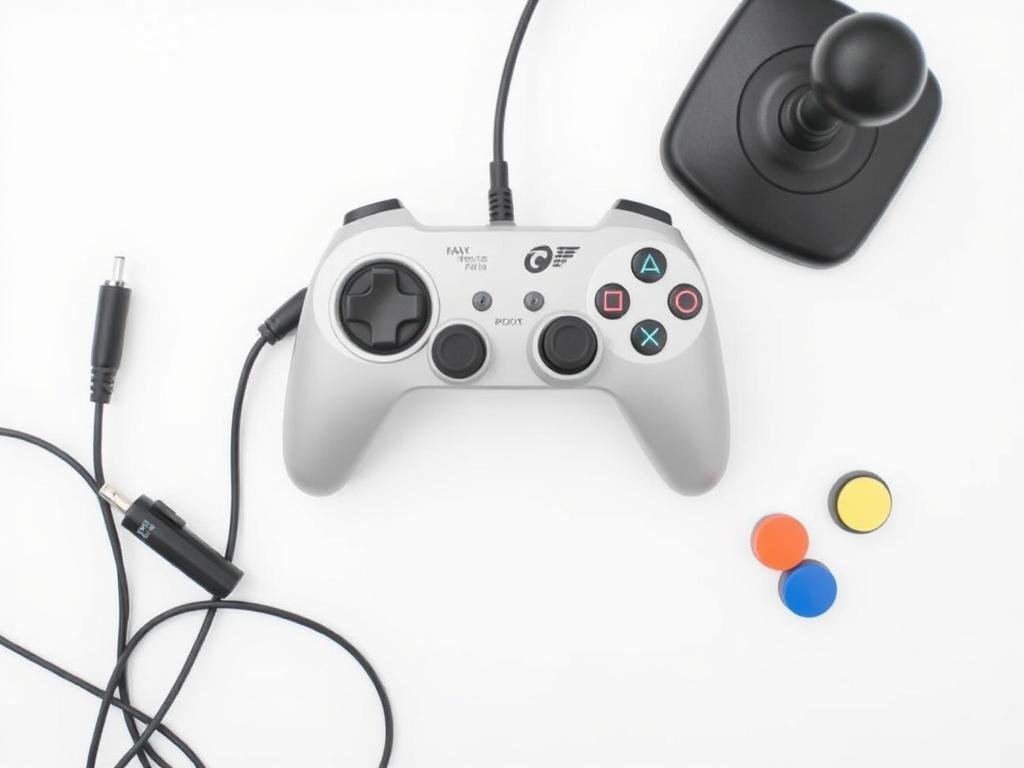
A major breakthrough in adaptive gaming is the rise of configurable controllers. These devices let users adjust inputs to match their needs. For instance, adaptive controllers can include oversized buttons, pedal inputs, or extended joysticks, enabling those with limited mobility or fine motor control to play more comfortably.
Eye-Tracking Technology
Eye-tracking has changed the game for people with severe physical restrictions. By translating eye movements and blinks into control signals, users can perform actions, move through menus, and interact with game worlds. This tech has unlocked gaming for individuals who couldn’t use conventional controllers.
Voice and Speech Recognition
Speech and voice recognition have opened gaming to players with little or no manual control. Through spoken commands, users can direct characters, manipulate objects, and navigate interfaces. This innovation has made gaming more accessible to people with conditions such as muscular dystrophy or ALS.
Haptic Feedback and Immersion
Adaptive technology also enhances experiences for those with sensory impairments. Haptic feedback delivers tactile cues via vibrations or sensations, helping gamers with visual or hearing loss better perceive in-game events. Such features deepen immersion for a wide range of players.
Inclusivity and Community
The benefits of adaptive gaming reach beyond individual users. By lowering barriers, these technologies foster inclusivity and build communities among players with different abilities. Online groups and forums focused on adaptive gaming offer spaces to exchange advice, stories, and encouragement.
The Future of Adaptive Gaming
The outlook for adaptive gaming technology is promising. As innovation progresses, we’ll see new solutions that further improve accessibility. Integrations with virtual reality (VR) and augmented reality (AR) are expanding adaptive experiences and creating fresh possibilities for immersive play.
In addition, more developers are prioritizing accessibility when designing games. Options like remappable controls, captioning, and colorblind settings are increasingly common, helping titles reach a broader audience.
Conclusion: Gaming for All
Adaptive gaming technology has reshaped the gaming landscape, making it more welcoming and reachable for people with a range of physical abilities. As tech advances and awareness grows, the gaming community continues to become more varied and inclusive than ever.
