
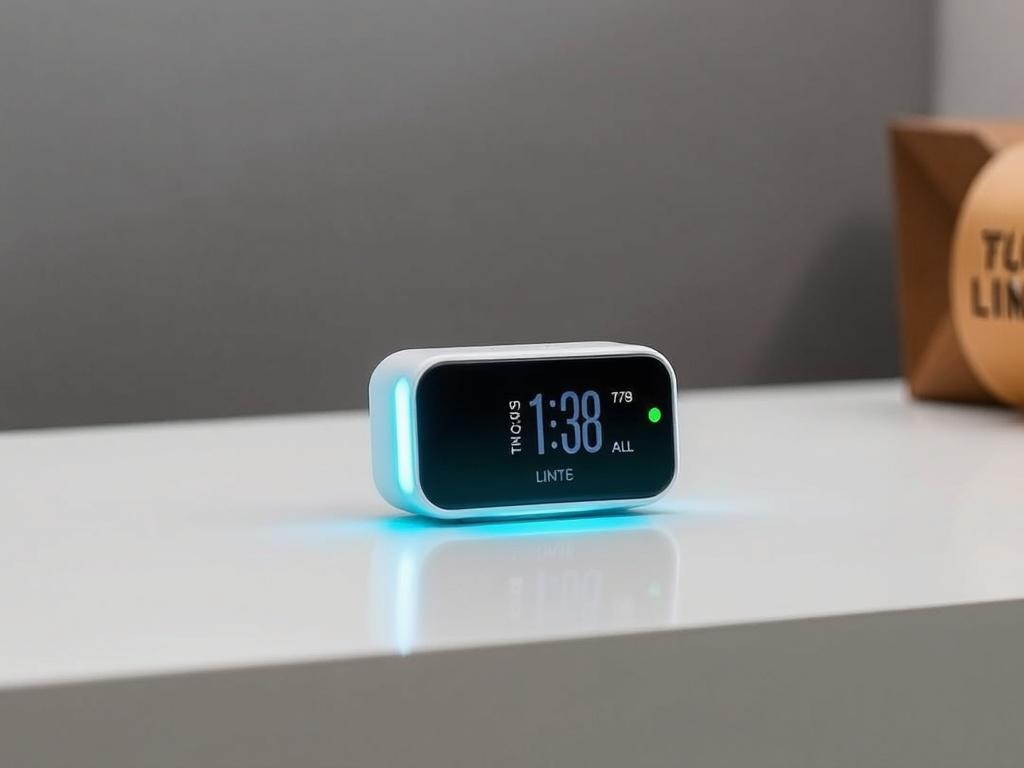
Every year the gadget landscape shifts—some products vanish, others redefine what we expect from daily tech. I spent weeks testing pockets of this year’s releases, from phones that double as portable studios to tiny health sensors you barely notice. This guide highlights standout devices across categories so you can decide which belong in your bag, on your wrist, or under your roof. If you’re hunting the Best Gadgets of 2026 You Need to Try, read on for hands-on impressions and practical picks.
Smartphones: more than a faster camera
Flagship phones in 2026 focused less on raw megapixels and more on computational photography and battery resilience. I used one phone for a week of travel photography and found the night-to-day tones consistent across lenses, which saved time editing and meant more keepers from a single shoot. Manufacturers also introduced modular attachments that snap on magnetically, giving DSLR-like controls without carrying extra glass.
Beyond cameras, phones now prioritize sustainability: replaceable batteries and modular displays are trickling into mainstream models. These changes mean repairs cost less and devices last longer, which is a subtle but important shift for anyone tired of forced upgrades. For power users, look for phones with hybrid storage and low-latency satellite messaging for off-grid safety.
Wearables: health, habits, and hints of privacy-first computing
Wearables moved from reactive tracking to predictive insights this year, using on-device AI to flag trends before they become problems. I wore one of the leading health bands for two weeks; it spotted a recurring stress pattern tied to morning meetings and suggested breathing exercises that actually helped. These devices are smarter about battery use, too, with multi-day life even when running continuous health monitoring.
Privacy is finally a selling point: more manufacturers process sensitive signals locally, sharing only anonymized summaries if you opt in. If you value control, prioritize models that let you export raw data and delete cloud records easily. For athletes, look for adaptive training plans that update after each workout rather than static weekly goals.
Home and living tech: quieter, smarter, and more cooperative
Home gadgets in 2026 are designed to get less attention while doing more: vacuums that map once and stay unobtrusive, thermostats that learn room-level habits, and fridges that inventory themselves. I installed a smart air purifier that adjusted speeds based on room occupancy; noise fell in the evening while air quality stayed steady. These systems integrate across brands more reliably thanks to broader use of open standards.
Energy efficiency is a clear focus this year, with devices offering carbon-footprint readouts and scheduling tools to run during lower-grid-demand hours. For renters and homeowners alike, look for plug-and-play appliances that don’t require a full smart-home overhaul. Practicality, not flash, defines this category in 2026.
Audio and entertainment: personal theater goes portable
Headphones and portable speakers blurred lines between studio fidelity and battery endurance; some new models offer spatial audio that adapts to your ears in real time. I tested a pair on a commuter train and found dialogue clarity and bass control that made podcasts feel like live recordings. Latency improvements also make wireless setups better for gaming and collaborative music apps.
Streaming hardware shifted toward local caching and edge processing to reduce buffering in crowded networks. If you host movie nights, look for devices that synchronize across multiple speakers without a central hub. Content discovery features became more intelligent, suggesting titles based on watch patterns rather than broad genre tags.
Travel and outdoor gadgets: lighter, tougher, smarter
This year’s travel tech focuses on weight savings and multi-functionality—think solar-charging backpacks and collapsible e-bikes with smart range estimation. I rode a compact e-bike through a weekend trip and appreciated the predictive battery gauge that adjusted estimates to my pedal intensity. Useful, honest range estimates reduce anxiety on unfamiliar routes.
Safety features like automatic SOS via satellite and biometric door locks for luggage are now common in premium gear. If you travel often, prioritize accessories that are serviceable abroad and use common battery types. Durability matters more than glossy extras when you’re handling gear between flights and trails.
Smart assistants and AI companions: practical help with boundaries
Voice assistants in 2026 feel less like omniscient oracles and more like context-aware helpers that respect user limits. They can summarize long emails, draft replies tied to your calendar, or run household routines without needing a dozen separate commands. I relied on one assistant to batch meeting notes and convert them into action items during a busy week; it reduced mental clutter significantly.
Ethical design is becoming a requirement: transparent logs, opt-in learning, and easy ways to correct mistakes are now expected features. When evaluating AI companions, look for systems that explain why they made a suggestion and allow quick reversals. These safeguards make assistants genuinely helpful without overstepping.
Quick comparison of top picks
Here’s a compact table to show standout models across categories, their defining feature, and approximate price bands. Use it as a starting point; real-world fit depends on your routines and priorities.
| Gadget | Category | Standout feature | Price range |
|---|---|---|---|
| Atlas Pixel Pro | Smartphone | Modular camera attachments | $799–$1,099 |
| PulseSense Band | Wearable | On-device predictive health AI | $199–$349 |
| BreatheHome 360 | Home purifier | Room-adaptive noise control | $249–$399 |
| Sonic Trailbuds | Audio | Adaptive spatial audio | $149–$299 |
| Nomad SolarPack | Travel | Integrated solar charging | $129–$229 |
Remember, price ranges reflect introductory or common retail figures and may vary with configuration or regional launch timing. Availability sometimes lags across markets, so check return policies and warranty coverage before committing. A short hands-on trial, when possible, beats online hype.
How to pick the right gadget for you
Start with your daily friction points: what tasks do you repeat that feel slow, noisy, or wasteful of time? Buy to solve those problems first rather than chasing specs. For example, if you miss calls while commuting, prioritize battery life and signal stability over the latest camera sensor.
Consider resale and repairability as key selection criteria, and use this quick checklist to compare candidates:
- Repairability score and warranty terms
- Real-world battery life and service availability
- Privacy controls and data portability
Tech in 2026 favors practical innovation: smarter software layered on thoughtful hardware improvements. Try one or two items that address real needs, and let the rest wait—good gadgets should make life quieter, not louder, and that’s what I found most satisfying this year.
