
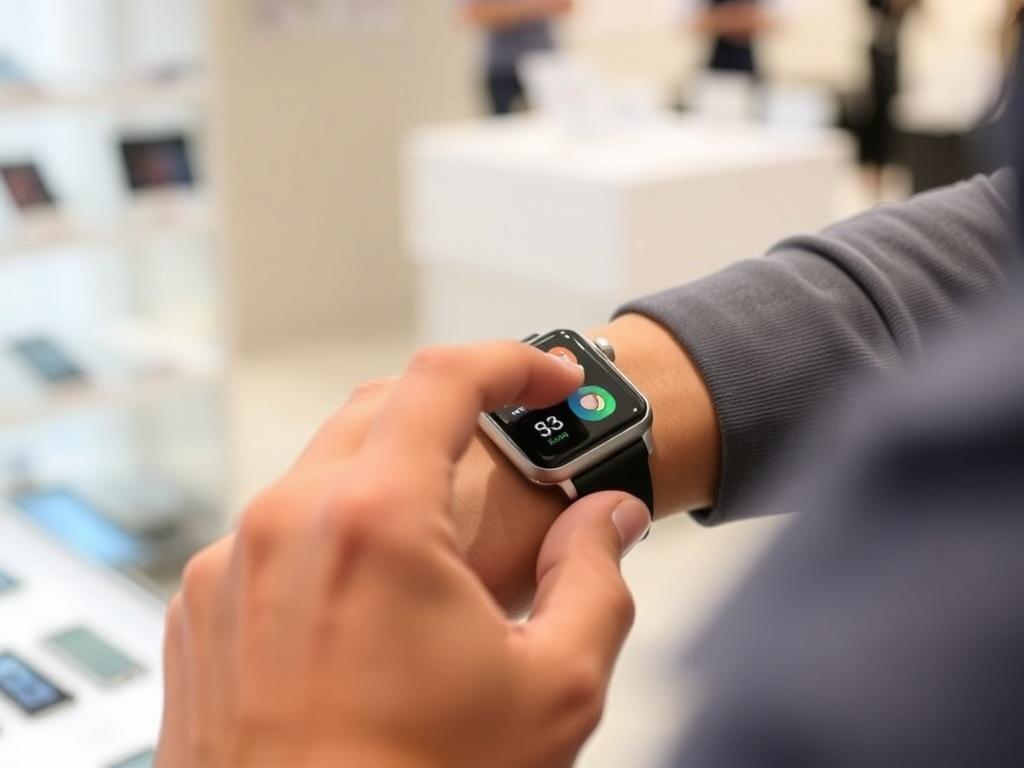
Wearable technology has become a major trend within healthcare, offering fresh methods to track and enhance personal well-being. In this expert piece, we review recent progress in wearable tech, its effects on healthcare delivery, and how it is changing the way individuals monitor their health.
The Growth of Wearable Health Devices
Devices like smartwatches, fitness bands, and biometric sensors have surged in popularity. They enable people to manage their health actively by supplying immediate data and actionable insights.
Health Tracking Capabilities
Today’s wearables provide numerous tracking features, such as heart rate sensing, sleep analysis, step tallying, and GPS for exercise. Certain models can also assess blood-oxygen saturation and identify irregular cardiac rhythms.
Remote Health Monitoring
Wearable tools support remote monitoring, enabling clinicians to observe patients’ vital signs and health indicators without frequent office visits. This capability is especially helpful for people managing chronic illnesses.
Early Disease Detection
Ongoing monitoring via wearables can contribute to earlier detection of disease. Deviations in vital signs or abrupt shifts in health metrics can generate alerts, encouraging timely medical evaluation.
Personalized Health Insights
Wearable gadgets leverage AI and machine learning to deliver tailored health feedback. They examine trends over time and suggest ways to improve exercise, rest, and general health.
Mental Health Monitoring
Some wearables now address mental health by monitoring stress, offering guided breathing or meditation, and providing tools for coping with anxiety and depression. This comprehensive view of health is gaining traction.
Challenges and Data Privacy
Despite their advantages, wearable technologies raise issues around data privacy and security. Safeguarding sensitive medical data from breaches and unauthorized use is a critical priority.
The Future of Wearable Health Tech
The outlook for wearable health technology is bright. Future improvements may bring more precise sensors, better integration with electronic health records (EHRs), and novel applications for managing diseases.
Conclusion: Empowering Personal Health
Wearable tech is opening a new chapter in self-monitoring. These devices enable people to take proactive steps about their health, receive early warnings, and make informed choices to live healthier lives.
